
Heart healthy eating without the confusion
Poma · · 2 min read
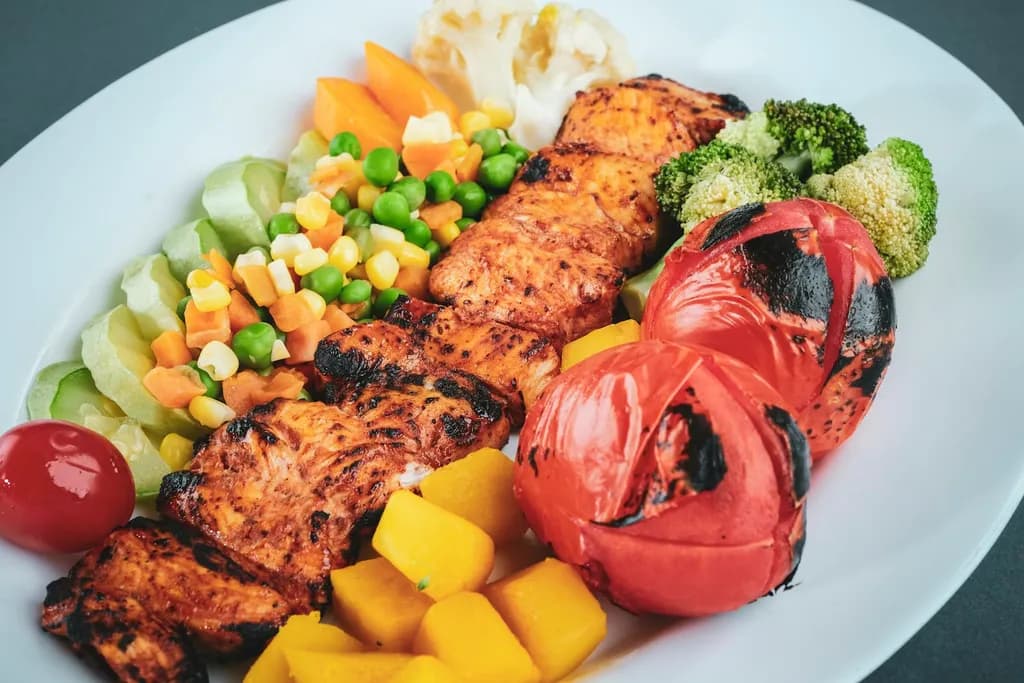
The takeaway: Heart healthy eating is mostly simple once you ignore the noise. Choose better fats, eat more fiber, go easy on sodium and added sugar, and build meals around plants. The same pattern serves your heart, your pace of aging, and your long term health, no food of the week required.
Heart healthy eating has a reputation for being complicated, full of numbers and rules. The reality is calmer. The pattern that supports your heart is the same whole food pattern that supports longevity and a steady pace of aging, and it comes down to a handful of levers.
The levers that matter
A few changes carry most of the benefit.
Choose better fats
Favor unsaturated fats from olive oil, fish, nuts, and seeds over saturated and trans fats. This single swap is one of the most studied moves for heart health.
Eat more fiber
Fiber, especially the soluble kind in oats and beans, helps lower cholesterol over time and comes packaged in the foods you want anyway.
Cut back on sodium and added sugar
Most sodium hides in packaged and restaurant food, and added sugar and ultra processed foods work against the heart. Cooking more at home gives you the controls.
Put plants at the center
Vegetables, fruit, whole grains, and legumes form the base of every heart healthy pattern, from the Mediterranean diet to DASH.
You do not need to memorize a heart healthy food list. Build meals around plants, use olive oil and fish for your fats, lean on whole grains and beans, and keep the salty, sugary, processed stuff occasional.
Why the confusion exists
Headlines change with each new study, and single foods get crowned or condemned on a regular basis. The underlying advice has been remarkably stable for years, because it rests on the overall pattern rather than any one ingredient. A balanced plate most days beats chasing the food of the week.
How Poma fits in
Poma scores each meal you photograph for its effect on aging, sleep, skin, and energy. That turns the broad pattern into feedback on real meals.
Poma scores meals like these for you.
Snap a photo and watch how each meal moves your pace of aging.
Download appSources
- American Heart Association, Healthy Eating
- Harvard T.H. Chan School of Public Health, The Nutrition Source, Healthy Eating Plate
- Harvard T.H. Chan School of Public Health, The Nutrition Source, Types of Fat
Frequently asked questions
Related articles
The Mediterranean diet: why it keeps winning for longevity
The Mediterranean pattern tops almost every ranking of healthy eating. Here is what it looks like, why it supports longevity, and how to start.

What the world's Blue Zones actually eat
Blue Zones are regions where people often reach very old age in good health. Their diets share a few simple, plant heavy threads worth borrowing.