
The Mediterranean diet: why it keeps winning for longevity
Poma AI · June 28, 2026 · 3 min read
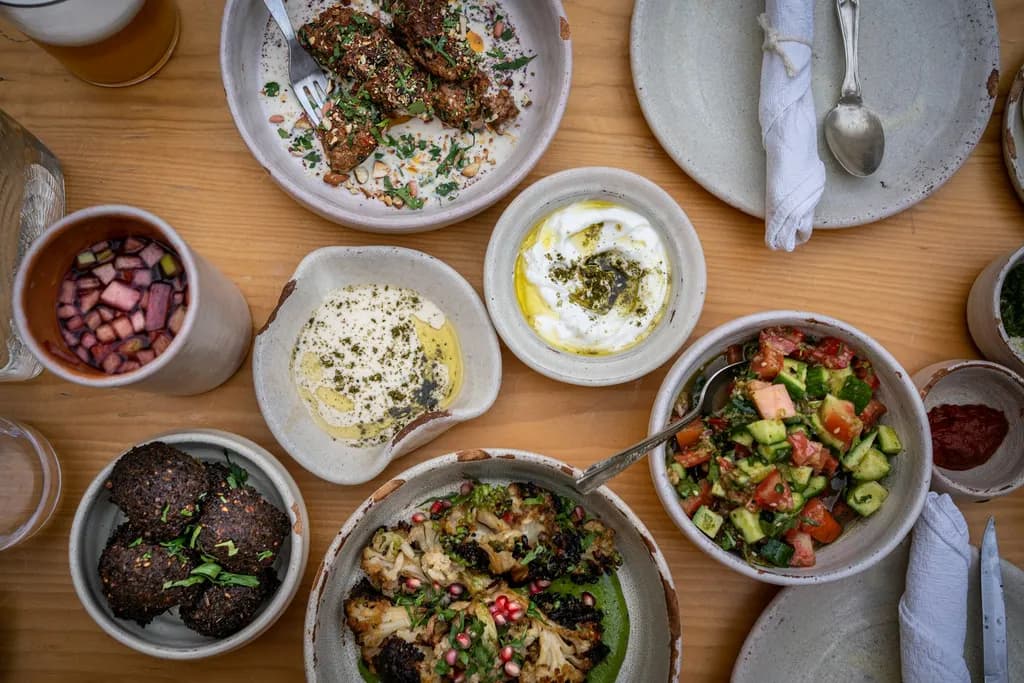
The Mediterranean diet sits at or near the top of almost every ranking of healthy ways to eat, year after year. It is a pattern drawn from countries around the Mediterranean Sea, built on vegetables, fruit, whole grains, legumes, olive oil, and fish, with less red meat and sugar. For living longer and aging well, it has some of the strongest evidence in all of nutrition.
This guide covers what the pattern actually looks like, why it supports longevity, and a few simple ways to move your plate in that direction.
What the Mediterranean diet actually is
It is a whole food pattern, not a fixed menu. The common threads look like this.
- Plants at the center. Vegetables, fruit, whole grains, beans, lentils, nuts, and seeds make up most of the plate.
- Olive oil as the main fat. Extra virgin olive oil takes the place of butter and many processed oils.
- Fish and seafood regularly. Often a couple of times a week.
- Moderate dairy, eggs, and poultry. Present, in smaller amounts.
- Red meat and sweets occasionally. Saved for now and then.
- Shared, unhurried meals. The social side is part of the tradition.
Why it supports longevity
The pattern works on several of the processes that shape how fast you age, which we cover in what is your pace of aging.
It calms chronic inflammation
Olive oil, fish, vegetables, and herbs supply compounds that help keep low grade inflammation in check, and the pattern is naturally light on the refined carbohydrates and processed meats that tend to raise it.
It supplies antioxidants and polyphenols
Colorful plants, olive oil, and nuts deliver a wide range of polyphenols and antioxidants that help defend cells against oxidative stress.
It steadies blood sugar
Fiber from vegetables, legumes, and whole grains slows how fast sugar enters your blood, which supports steadier energy and less of the glycation linked to aging.
How to eat more Mediterranean
You do not need to overhaul everything at once. A few swaps move you most of the way.
- Cook with extra virgin olive oil instead of butter.
- Put a vegetable on the plate at lunch and dinner, and reach for fruit when you want something sweet.
- Eat fish or seafood a couple of times a week.
- Build meals around whole grains and legumes more often than refined grains and meat.
- Keep a handful of nuts around as a snack.
- Lean on herbs, garlic, and lemon for flavor so you need less salt.
A simple starting point: make olive oil your default fat, fill half your plate with vegetables, and let red meat become the exception rather than the habit.
How Poma fits in
Knowing the pattern is the easy part. Applying it to real meals is harder. Poma scores each meal you photograph for its effect on aging, sleep, skin, and energy, so you can see how close a given plate sits to this kind of eating, with calories and macros included.
Poma scores meals like these for you.
Snap a photo and watch how each meal moves your pace of aging.
Download appThe takeaway
The Mediterranean diet keeps winning because it is built on whole plants, healthy fats, and fish, and because it is flexible enough to live with for decades. Lean toward those foods most days, keep sugar and red meat occasional, and you cover much of what the research links to a longer, healthier life.
Sources
- Harvard T.H. Chan School of Public Health, The Nutrition Source, Diet Review: Mediterranean Diet
- Harvard Health Publishing, Foods that fight inflammation
- World Health Organization, Healthy diet
Frequently asked questions
Related articles

What the world's Blue Zones actually eat
Blue Zones are regions where people often reach very old age in good health. Their diets share a few simple, plant heavy threads worth borrowing.

Polyphenols: the plant compounds linked to slower aging
Polyphenols are a large family of plant compounds tied to lower inflammation and oxidative stress. Here is where to find them and why they matter.