
How to build a balanced plate: a framework for every meal
Poma AI · June 3, 2026 · 2 min read
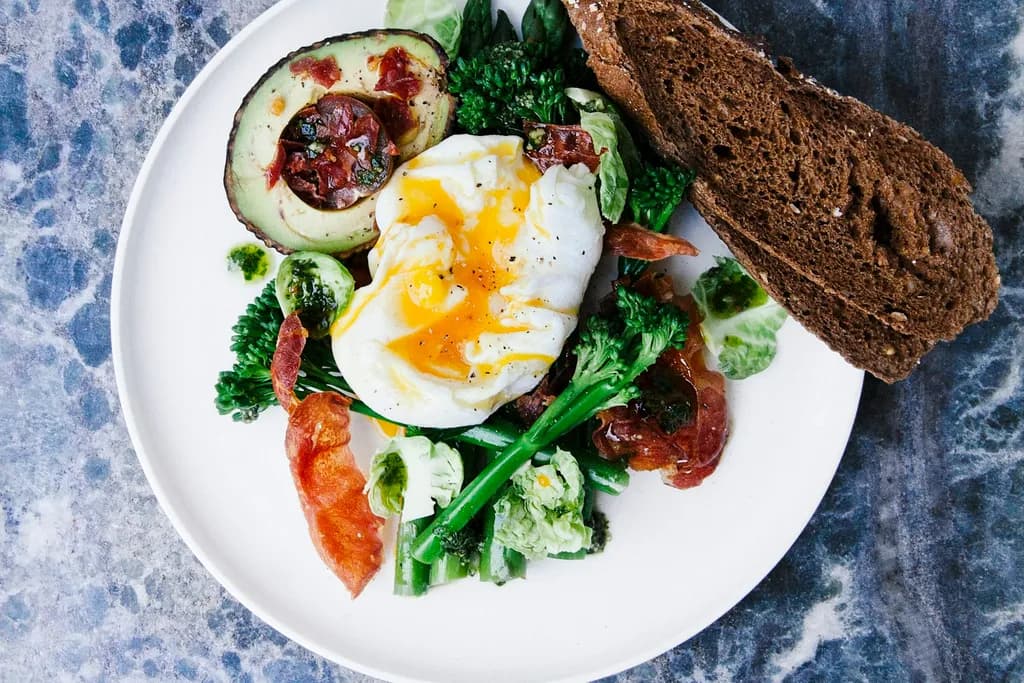
All the nutrition advice in the world is hard to use if you cannot picture the meal. The balanced plate is a simple framework that turns the big ideas into something you can actually serve, three times a day, without weighing or counting a thing. It is the practical capstone to everything else on this blog.
The basic proportions
Picture your plate divided into sections.
- Half is vegetables and fruit. The biggest share, and the easiest place to add color, fiber, and antioxidants. Leafy greens make a great base.
- A quarter is whole grains. Slow carbohydrates like brown rice, oats, quinoa, and whole wheat for steady energy.
- A quarter is protein. Fish, eggs, poultry, or plant proteins like beans and tofu, covered in protein as you age.
- Healthy fats and water. Olive oil for cooking and dressing, and water as your default drink.
Why it works
This one picture quietly delivers most of what the research asks for. The vegetables and whole grains bring fiber for steady blood sugar and a healthy gut. The protein keeps you full and protects muscle. The olive oil supports your heart and helps you absorb nutrients. Together they cover the four things Poma scores: aging, sleep, skin, and energy.
Making it flexible
The plate is a set of proportions, not a fixed menu, so it bends to fit your life.
- A grain bowl, a stir fry, tacos, or a stew with bread can all follow the same balance.
- Build around the cuisines you already love by adjusting the ratios, not abandoning the food.
- On busy days, even getting the half plate of vegetables right is a win.
If you remember one thing, make it the half plate of vegetables. That single habit pulls most meals in a healthier direction, even when the rest of the plate is not perfect.
How Poma fits in
Poma scores each meal you photograph for its effect on aging, sleep, skin, and energy, with calories and macros included. The balanced plate is the target, and Poma shows you how close each real meal lands, so the framework turns into feedback you can act on.
Poma scores meals like these for you.
Snap a photo and watch how each meal moves your pace of aging.
Download appThe takeaway
A balanced plate is the simplest way to put good nutrition into practice. Fill half with vegetables and fruit, a quarter with whole grains, and a quarter with protein, add healthy fats and water, and you have covered the essentials. Build most of your meals this way, and the rest of the details mostly take care of themselves.
Sources
- Harvard T.H. Chan School of Public Health, The Nutrition Source, Healthy Eating Plate
- American Heart Association, Healthy Eating
- World Health Organization, Healthy diet
Frequently asked questions
Related articles
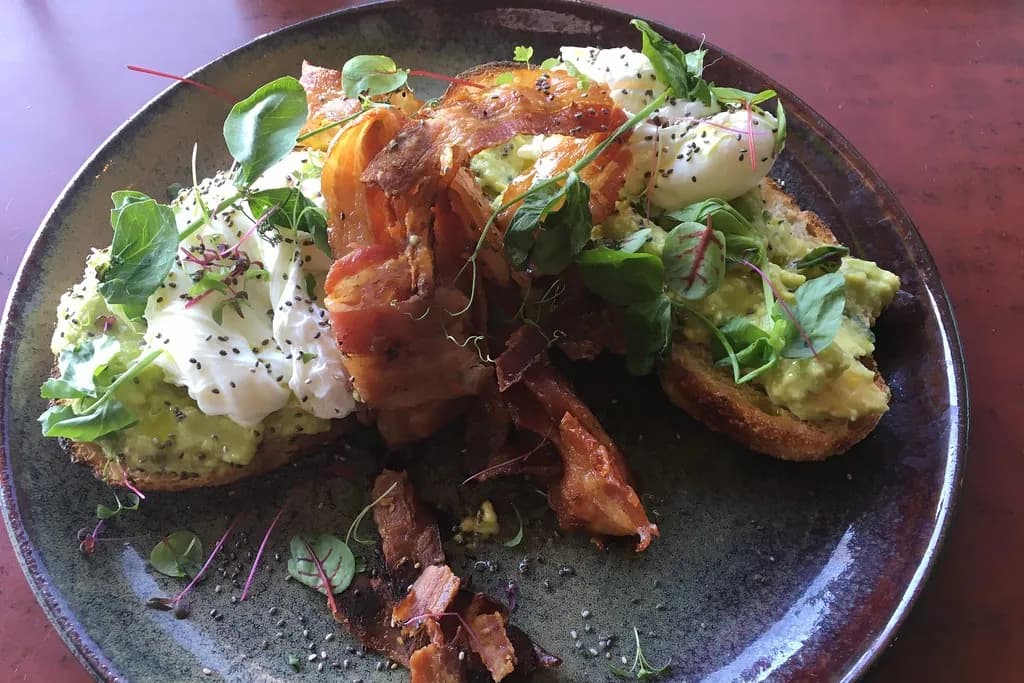
How to eat for steady energy and avoid the afternoon crash
Why blood sugar swings cause energy crashes, and how to build meals that keep you steady from morning to evening.
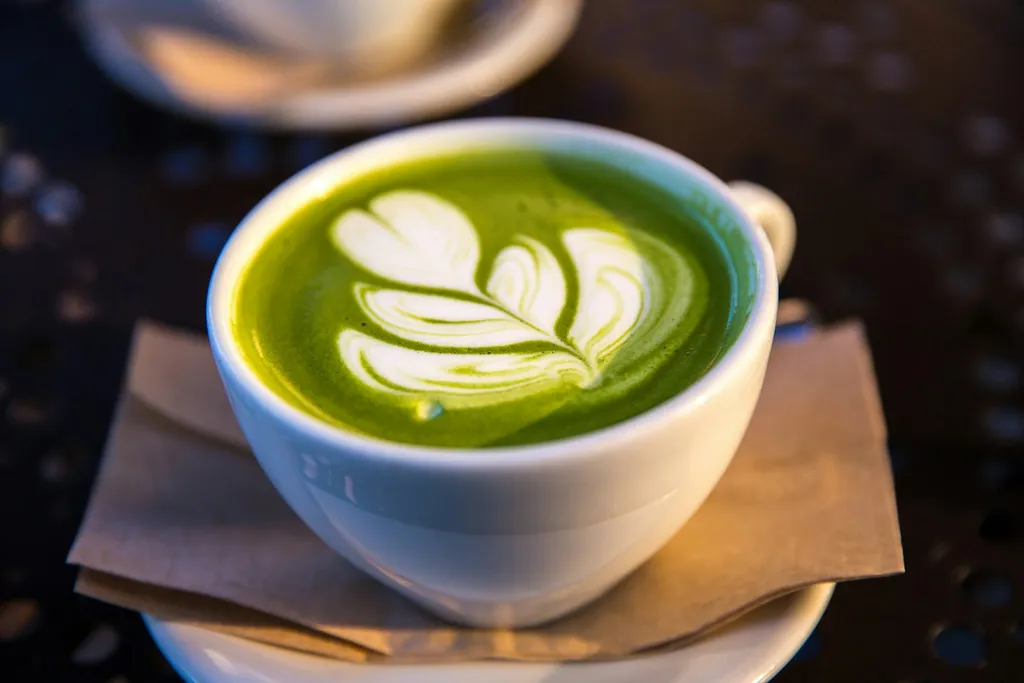
Green tea and coffee: what the research shows
Two of the most studied drinks in the world are rich in polyphenols. Here is how green tea and coffee fit into a healthy pattern.