
Olive oil: how a healthy fat earns its reputation
Poma · · 2 min read
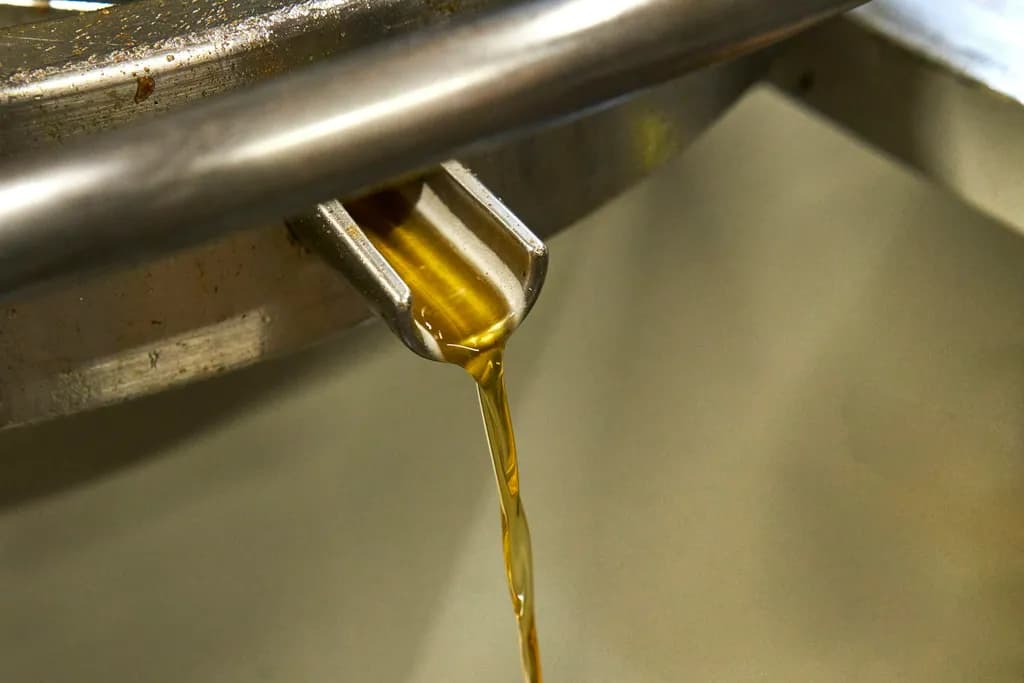
The takeaway: Olive oil earns its reputation honestly. It is mostly heart friendly fat, the extra virgin grade brings antioxidants on top, and it makes vegetables both tastier and more nourishing. Use it as your main fat, buy extra virgin, store it well, and cook with it without worry.
Olive oil is the fat that defines the Mediterranean diet, and it is one of the few cooking fats with a genuine body of research behind it. The reason is simple. It is mostly healthy monounsaturated fat, and the extra virgin grade carries polyphenols that act as antioxidants in the body.
What makes olive oil special
Two things set good olive oil apart from a plain cooking fat.
- Monounsaturated fat, the kind linked to better heart health when it replaces butter and refined oils.
- Polyphenols, the antioxidant compounds in extra virgin oil that give it a peppery bite and connect it to lower inflammation.
The more an oil is refined, the more of those polyphenols are lost, which is why extra virgin is the grade worth buying.
What it does for you
Used as the main fat in a whole food diet, olive oil is associated with better heart health and lower inflammation. It also helps your body absorb the fat soluble vitamins and antioxidants in the vegetables you cook with it, so a drizzle over greens does double duty.
Using it well
Olive oil rewards generous, everyday use.
- Make it your default fat for cooking and dressing, in place of butter and processed oils.
- Cook with it freely. It holds up to normal home cooking heat.
- Save a more expensive, flavorful bottle to finish dishes raw, where its taste shines.
- Store it cool and dark to keep it fresh.
The peppery tickle at the back of your throat from a good extra virgin oil is a sign of polyphenols. That slight bite is a feature, not a flaw.
How Poma fits in
Poma scores each meal you photograph for its effect on aging, sleep, skin, and energy. Swapping butter for olive oil, or adding a drizzle to vegetables, is the kind of small change that shows up in those scores over time.
Poma scores meals like these for you.
Snap a photo and watch how each meal moves your pace of aging.
Download appSources
- Harvard T.H. Chan School of Public Health, The Nutrition Source, Types of Fat
- Harvard T.H. Chan School of Public Health, The Nutrition Source, Diet Review: Mediterranean Diet
- American Heart Association, Healthy Eating
Frequently asked questions
Related articles

The anti inflammatory diet, explained
Chronic inflammation is linked to many age related conditions. Here is how food turns it up or down, and what an anti inflammatory plate looks like.
Omega 3s and fatty fish: good for brain, heart, and aging
Omega 3 fats are among the best studied nutrients for long term health. Here is what they do and the easiest ways to get enough.