
Fiber: the most underrated longevity nutrient
Poma · · 2 min read
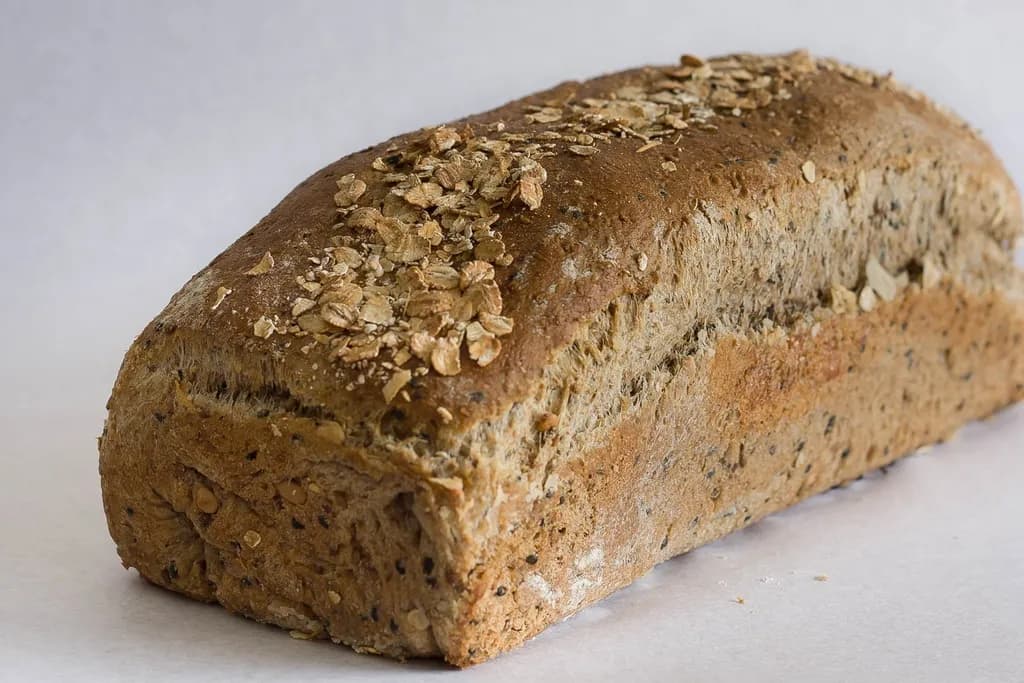
The takeaway: Fiber is the quiet workhorse of a long lived diet. It feeds your gut, steadies your blood sugar, supports your heart, and keeps you full. Lean on legumes, whole grains, vegetables, fruit, nuts, and seeds, build up gradually, and you cover one of the most underrated parts of eating well.
Fiber rarely gets top billing. It has no dramatic health halo, and most people think of it only in terms of digestion. Yet it is one of the nutrients most consistently linked to living longer and aging well, and most of us fall short of even modest targets. It is worth a closer look.
What fiber actually is
Fiber is the part of plant foods your body cannot fully digest. It comes in two broad types. Soluble fiber dissolves into a gel that slows digestion, while insoluble fiber adds bulk. Whole plants give you a mix of both, which is why you do not need to count grams of each.
Why it matters for longevity
Fiber pulls several levers at once.
It feeds your gut
Much of your fiber travels to the large intestine, where helpful bacteria ferment it. That process supports a healthy gut microbiome and produces compounds that benefit the rest of the body.
It steadies blood sugar
Soluble fiber slows how fast sugar enters your blood, which supports steadier energy and less of the glycation tied to aging.
It supports your heart
Fiber, especially the soluble kind in oats and beans, helps lower cholesterol over time, which is one reason high fiber diets line up with better heart health.
It helps with fullness
Fiber rich foods are filling for their calories, which makes it easier to eat well without feeling deprived.
Where to get more
The best sources are exactly the foods a longevity pattern is built on.
- Legumes such as beans, lentils, and chickpeas, among the richest sources.
- Whole grains like oats, barley, and whole wheat.
- Vegetables and fruit, skins included where it makes sense.
- Nuts and seeds, including chia and flax.
Build up slowly. Add an extra serving of beans, whole grains, or vegetables every few days, drink enough water, and give your gut a couple of weeks to adjust.
How Poma fits in
Fiber is one of the things that separates a meal that supports healthy aging from one that does not. Poma reads your plate and scores it for aging, sleep, skin, and energy, rewarding the whole plant foods that bring fiber along with everything else they offer.
Poma scores meals like these for you.
Snap a photo and watch how each meal moves your pace of aging.
Download appSources
- Harvard T.H. Chan School of Public Health, The Nutrition Source, Fiber
- Harvard T.H. Chan School of Public Health, The Nutrition Source, The Microbiome
- World Health Organization, Healthy diet
Frequently asked questions
Related articles
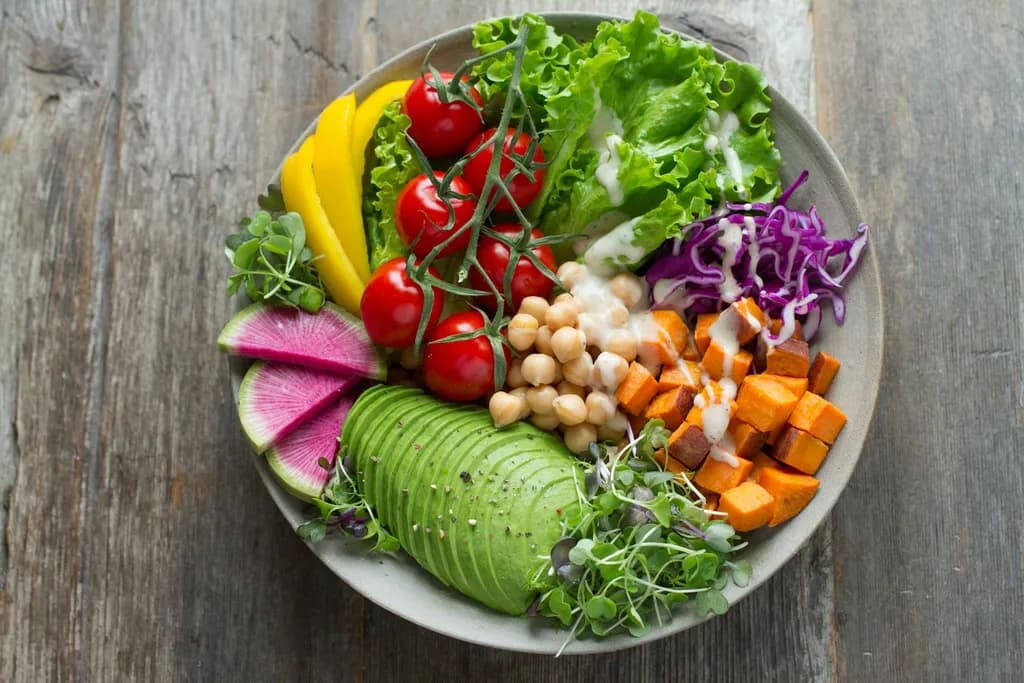
Gut health 101: how your microbiome shapes whole body health
Your gut is home to trillions of microbes that influence digestion, immunity, and more. Here is what they do and how to feed them well.

The Mediterranean diet: why it keeps winning for longevity
The Mediterranean pattern tops almost every ranking of healthy eating. Here is what it looks like, why it supports longevity, and how to start.