
Ultra processed foods: what they are and why frequency matters
Poma AI · June 20, 2026 · 3 min read
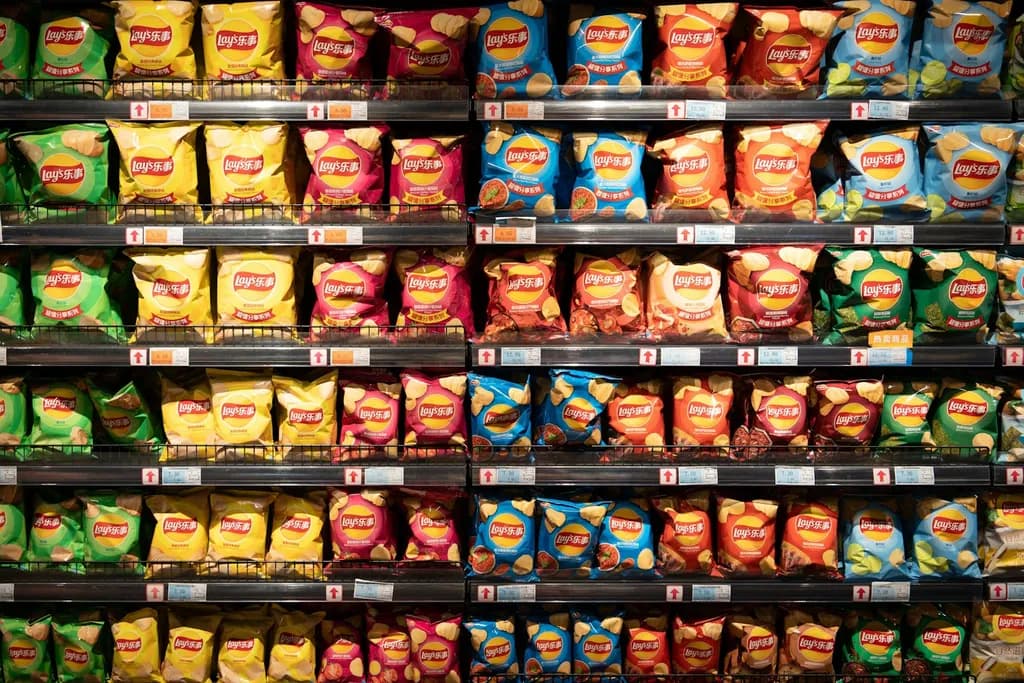
Ultra processed foods make up a striking share of what many people eat, and they are at the center of a lot of nutrition research right now. The term gets thrown around loosely, so it helps to be clear about what it means, why it matters for how fast you age, and what to actually do about it.
Processed is a spectrum
Processing is not a single thing. It runs from barely touched to heavily transformed.
- Whole or minimally processed. Vegetables, fruit, eggs, plain milk, dried beans, frozen vegetables.
- Processed ingredients. Oils, butter, sugar, salt.
- Processed foods. Canned fish, cheese, fresh bread, foods made by combining the first two groups.
- Ultra processed foods. Industrial formulations of refined ingredients, additives, and flavorings, often with little intact whole food left.
Frozen peas and canned beans sit at the healthy end. The concern is the far end of that scale.
What defines ultra processed foods
These are products built largely from cheap refined ingredients, with additives for color, texture, and shelf life, and tuned to be very easy to eat. Common examples include sodas, packaged snacks and sweets, instant noodles, many breakfast cereals, and ready meals.
Why frequency matters
A few features make them worth limiting.
- They are easy to overeat. The texture and the blend of sugar, salt, and fat encourage eating past fullness.
- They displace better food. Every ultra processed snack tends to take the place of something with fiber and nutrients.
- They lean inflammatory. A pattern high in refined starch, sugar, and industrial fats tends to raise the inflammation linked to aging.
A quick rule of thumb: the more a food looks like it came from a field or a farm rather than a factory, the more often it belongs on your plate. Use ultra processed items as the occasional exception.
How to dial them back
You do not need a perfect kitchen to shift the balance.
- Build meals around whole foods you recognize.
- Keep easy whole snacks on hand, like fruit, nuts, and yogurt.
- Cook a little more often, even simple meals.
- Read labels, and be wary when the ingredient list is long and unfamiliar.
How Poma fits in
Poma scores each meal you photograph for its effect on aging, energy, skin, and sleep, which reflects how whole or how processed the plate is. That makes the trade clear in the moment, without needing to label every food yourself.
Poma scores meals like these for you.
Snap a photo and watch how each meal moves your pace of aging.
Download appThe takeaway
Processing itself is not the enemy, and frozen vegetables and canned beans are good food. The ultra processed end of the scale is what is worth limiting, mainly because it is easy to overeat and it pushes out better choices. Lean on whole foods most of the time, and let the packaged stuff stay occasional.
Sources
- Harvard T.H. Chan School of Public Health, The Nutrition Source, Processed Foods and Health
- Harvard Health Publishing, Foods that fight inflammation
- World Health Organization, Healthy diet
Frequently asked questions
Related articles
The Mediterranean diet: why it keeps winning for longevity
The Mediterranean pattern tops almost every ranking of healthy eating. Here is what it looks like, why it supports longevity, and how to start.
The best foods for healthy, youthful skin
What to eat to support collagen, defend against oxidative stress, and keep skin resilient as you age.