
Leafy greens: the daily habit with the biggest payoff
Poma AI · June 16, 2026 · 2 min read
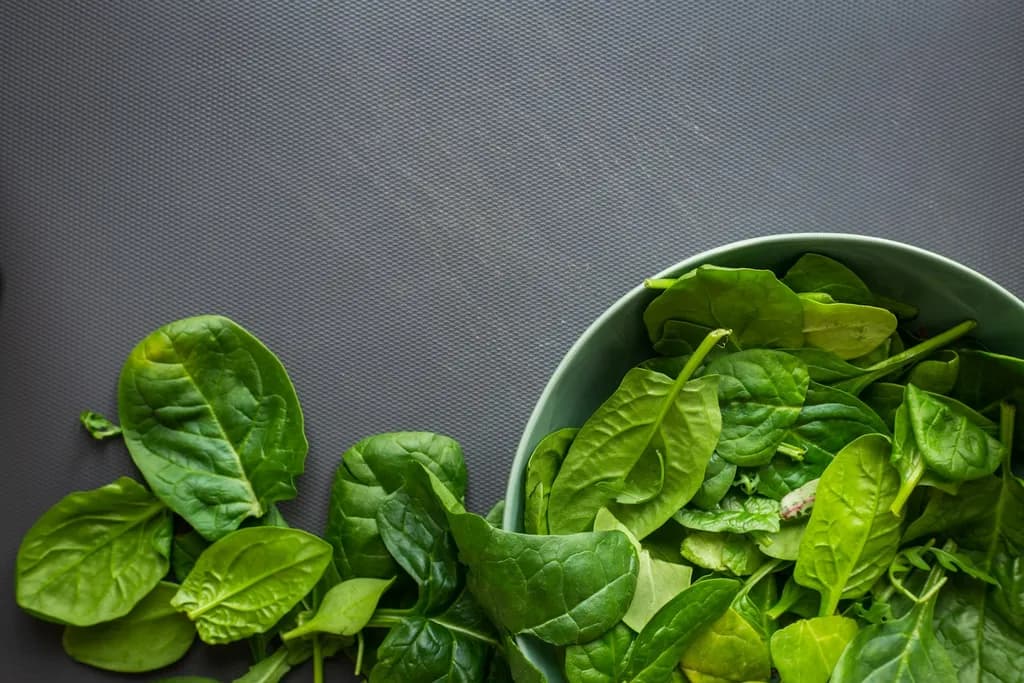
If a single daily habit could quietly support your brain, your heart, and healthy aging, a serving of leafy greens would be a strong candidate. Greens are low in calories, high in nutrients, and flexible enough to slip into almost any meal. They are one of the clearest examples of a food that slows aging rather than speeds it.
What leafy greens bring
A handful of dark leaves carries a lot for very few calories.
- Fiber, for your gut and steadier blood sugar.
- Folate and vitamin K, for cell health and other core functions.
- Lutein and other antioxidants, which support the eyes and help defend cells.
- Nitrates, natural compounds in greens linked to healthy blood flow.
Why the payoff is so large
Research connects regular leafy green intake with slower cognitive decline, which is part of why they appear among foods for a sharper brain. The same greens support heart health and bring antioxidants tied to healthy aging. Because they cost so few calories, there is little trade off to eating them often.
Easy ways to eat more
The trick is to make greens the default, not a side project.
- Add a big handful to eggs, pasta, soup, or a stir fry near the end of cooking.
- Blend a handful of spinach into a fruit smoothie, where you will not taste it.
- Start lunches and dinners with a simple salad as the base of the plate.
Greens cook down dramatically, so a large raw handful becomes a small cooked portion. Toss them into whatever is already on the stove in the last minute or two and you barely notice the effort.
How Poma fits in
Poma scores each meal you photograph for its effect on aging, energy, skin, and sleep. Greens nudge those scores in a good direction, so building the daily habit shows up clearly as you log your meals.
Poma scores meals like these for you.
Snap a photo and watch how each meal moves your pace of aging.
Download appThe takeaway
Leafy greens are about as close to a free win as nutrition offers. They bring fiber, vitamins, and antioxidants for almost no calories, and they support your brain, heart, and healthy aging. Make a serving part of most days, eat them raw and cooked, and let them be the base of more of your meals.
Sources
- Harvard T.H. Chan School of Public Health, The Nutrition Source, Vegetables and Fruits
- Harvard T.H. Chan School of Public Health, The Nutrition Source, Antioxidants
- World Health Organization, Healthy diet
Frequently asked questions
Related articles
The Mediterranean diet: why it keeps winning for longevity
The Mediterranean pattern tops almost every ranking of healthy eating. Here is what it looks like, why it supports longevity, and how to start.

What the world's Blue Zones actually eat
Blue Zones are regions where people often reach very old age in good health. Their diets share a few simple, plant heavy threads worth borrowing.