
Protein as you age: how much, and from where
Poma · · 2 min read
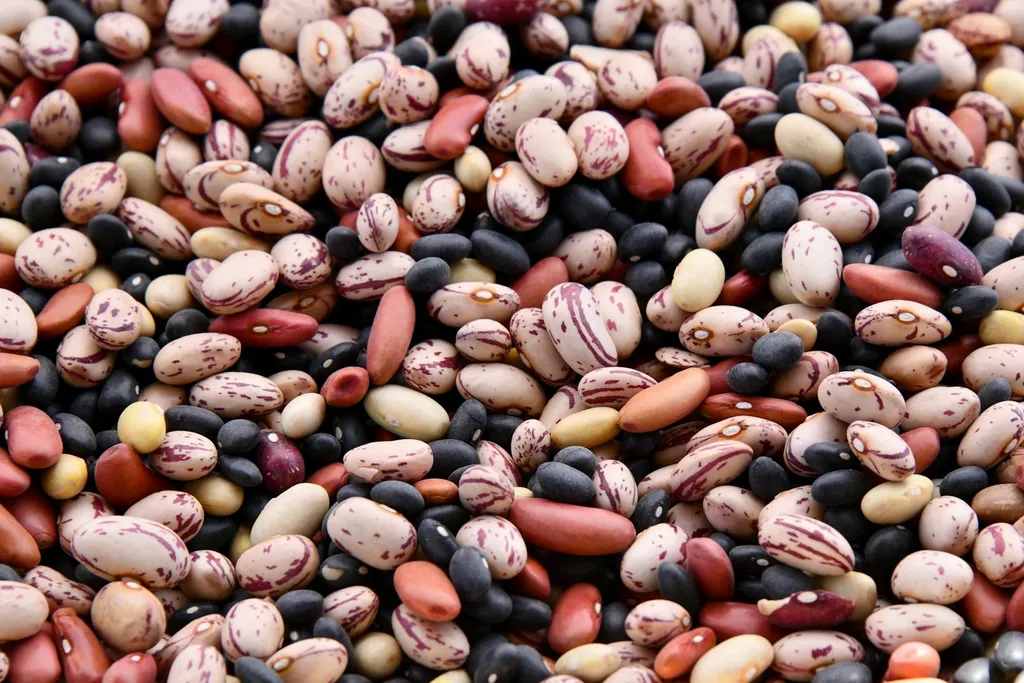
The takeaway: Protein is a quiet ally for aging well. Aim for a palm sized source at each meal, lean on a mix of fish, eggs, dairy, beans, and other plants, and do not skip it at breakfast. Pair that with some strength exercise, and you give your body what it needs to hold on to muscle over the years.
Protein gets plenty of attention for building muscle in the gym, and its quieter role is in helping you age well. Your need for protein does not drop as you get older, and there are good reasons to think it may rise. Getting enough, from a range of sources, is one of the more useful things you can do for the long run.
Why protein matters more with age
A couple of changes come with getting older.
- Muscle is harder to keep. The body becomes less efficient at turning dietary protein into muscle, so the same amount does a little less.
- Muscle protects you. Maintaining muscle supports strength, balance, and metabolism, all of which matter for staying independent and healthy.
The practical response is to get a bit more protein, spread it across the day, and pair it with some form of strength exercise.
How much to aim for
A common minimum is around 0.8 grams of protein per kilogram of body weight, and many specialists suggest older adults aim higher. Rather than tracking grams, most people do well with a simple rule: include a palm sized source of protein at each meal, and pay special attention to breakfast, the meal where protein is most often missing.
Where to get it
Variety covers your bases and brings other benefits along.
- Fish and seafood, which also deliver omega 3 fats.
- Eggs and dairy, affordable and complete, covered in are eggs good or bad.
- Poultry and lean meats, in reasonable portions.
- Beans, lentils, tofu, and tempeh, plant proteins that bring fiber too.
- Nuts, seeds, and whole grains, which add up across the day.
Breakfast is the easiest place to gain. Adding eggs, yogurt, or beans to your morning helps you spread protein through the day and supports steadier blood sugar on top of it.
How Poma fits in
Poma reads your meals and tracks protein alongside its scores for aging, energy, skin, and sleep, with full macros included. That makes it easy to see whether you are getting enough protein, and whether it is spread across the day or crammed into one meal.
Poma scores meals like these for you.
Snap a photo and watch how each meal moves your pace of aging.
Download appSources
- Harvard T.H. Chan School of Public Health, The Nutrition Source, Protein
- Harvard T.H. Chan School of Public Health, The Nutrition Source, Healthy Eating Plate
- World Health Organization, Healthy diet
Frequently asked questions
Related articles
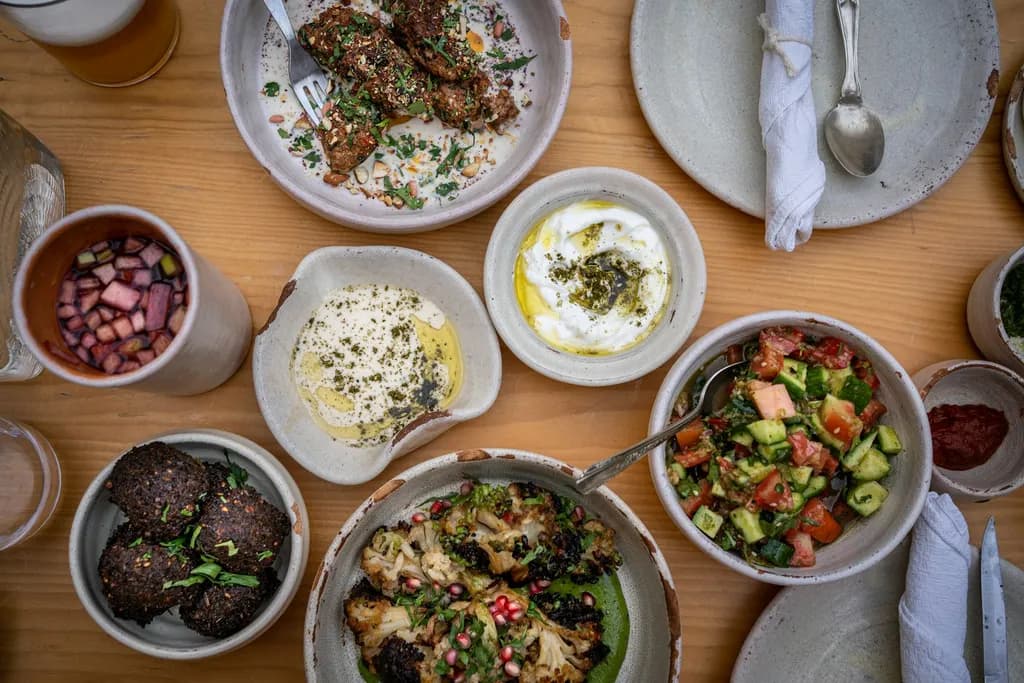
The Mediterranean diet: why it keeps winning for longevity
The Mediterranean pattern tops almost every ranking of healthy eating. Here is what it looks like, why it supports longevity, and how to start.

The best foods for healthy, youthful skin
What to eat to support collagen, defend against oxidative stress, and keep skin resilient as you age.