
Blood sugar 101: spikes, crashes, and steady energy
Poma · · 2 min read
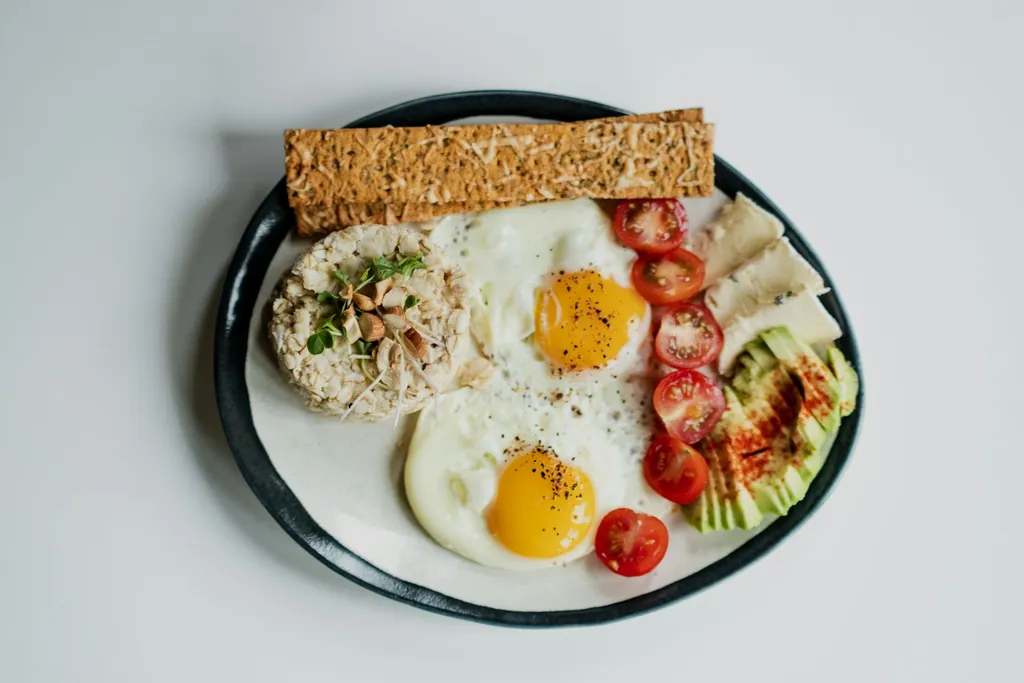
The takeaway: Blood sugar does not have to be a mystery or a monitor. Pair your carbohydrates with protein, fat, and fiber, lean on slower whole food carbohydrates, eat at regular times, and move a little after meals. Steady blood sugar means steady energy, fewer cravings, and a gentler pace of aging.
Blood sugar sits behind a lot of how you feel day to day, from your energy after lunch to your cravings in the evening. It also connects to how fast you age, through the glycation that steady blood sugar helps limit. The good news is that the basics are simple, and they do not involve fearing carbohydrates.
What actually happens
When you eat carbohydrates, they break down into glucose and raise your blood sugar. Your body releases insulin to move that glucose into cells. Eat fast digesting carbohydrates on their own and the rise is sharp, the insulin response is large, and blood sugar often drops below where it started. That dip is the crash you feel as tiredness, hunger, and a wandering focus.
Why steady blood sugar is worth it
Keeping the curve gentle pays off in several ways.
- Steadier energy, with fewer of the slumps covered in eating for steady energy.
- Fewer cravings, since you avoid the dip that sends you looking for a quick fix.
- Less glycation, which ties to a slower pace of aging.
How to keep it steady
Four habits do most of the work.
- Pair your carbohydrates. Add protein, fat, and fiber, which slow how fast sugar enters your blood. Fruit with nuts beats fruit alone.
- Choose slower carbohydrates. Whole grains, legumes, and vegetables come with fiber built in.
- Do not run on empty. Long gaps followed by a big, fast meal create the biggest swings.
- Move after meals. Even a short walk helps your muscles use some of the glucose.
You do not need to give up bread or pasta. Make them whole grain where you can, keep the portion reasonable, and never eat them naked. A little protein, fat, and fiber alongside changes the whole curve.
How Poma fits in
Poma scores each meal you photograph for its effect on energy, aging, skin, and sleep, which reflects how a plate is likely to move your blood sugar. A lunch that sets up a steady afternoon reads differently than one headed for a crash, so you can adjust the next plate.
Poma scores meals like these for you.
Snap a photo and watch how each meal moves your pace of aging.
Download appSources
- Harvard T.H. Chan School of Public Health, The Nutrition Source, Carbohydrates and Blood Sugar
- Harvard T.H. Chan School of Public Health, The Nutrition Source, Fiber
- World Health Organization, Healthy diet
Frequently asked questions
Related articles
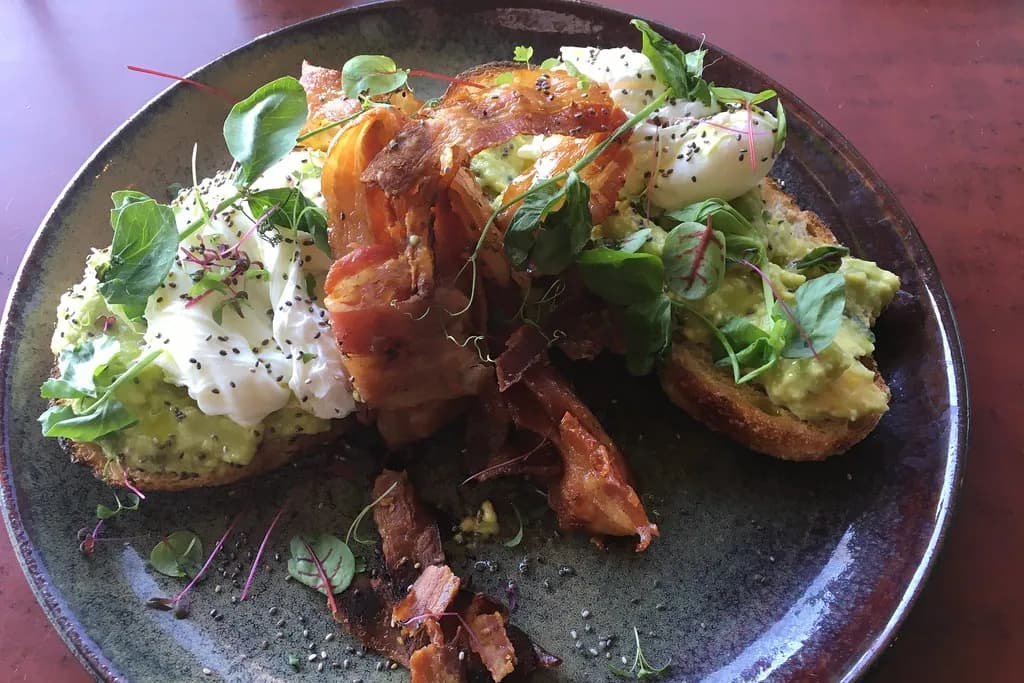
How to eat for steady energy and avoid the afternoon crash
Why blood sugar swings cause energy crashes, and how to build meals that keep you steady from morning to evening.

Green tea and coffee: what the research shows
Two of the most studied drinks in the world are rich in polyphenols. Here is how green tea and coffee fit into a healthy pattern.