
Are eggs good or bad for you? What the science says
Poma · · 2 min read
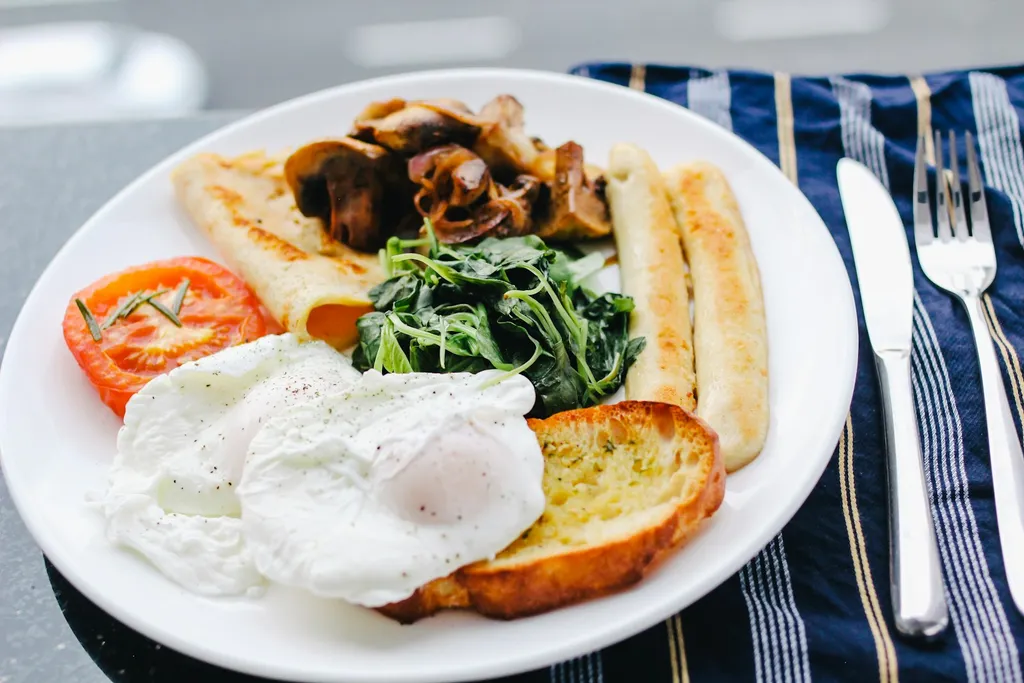
The takeaway: Eggs are back to being what they always were, a nutritious and affordable source of protein that fits a healthy diet for most people. Enjoy them in moderation, pay attention to what you serve with them, and follow personal advice if you have a condition that calls for it.
Few foods have swung between hero and villain as often as the egg. For decades they were limited over their cholesterol content, then the science matured and the picture changed. Here is where things landed, and how eggs fit into a healthy pattern of eating.
The cholesterol story
The old worry was straightforward. Eggs are high in dietary cholesterol, so eating them was assumed to raise blood cholesterol and heart risk. Research since then has shown that for most people, saturated and trans fats raise blood cholesterol more than the cholesterol in food does. That shift is why eggs came off many of the old restriction lists.
For most healthy people, eggs in moderation fit a balanced diet. People with diabetes or certain heart conditions are an exception worth noting, and they should follow personal medical guidance.
What eggs actually offer
Set the old fears aside and eggs are a genuinely useful food.
- Complete protein, with all the essential amino acids, covered more in protein as you age.
- Choline, important for the brain and often under eaten.
- Lutein and other nutrients in the yolk that support the eyes.
- Affordable and filling, which makes a protein rich breakfast easy.
The part that matters most
What you serve alongside eggs often shapes the meal more than the eggs do. Eggs with sauteed vegetables and whole grain toast support steady energy and a balanced plate. The same eggs next to processed meat and buttered white toast tell a different story. A protein rich breakfast like this can also help with steadier blood sugar through the morning.
Judge the breakfast, not just the egg. The eggs are rarely the issue. The processed meat, refined toast, and frying fat around them usually are.
How Poma fits in
Poma scores each meal you photograph for its effect on aging, energy, skin, and sleep, reading the whole plate. That means it can tell the difference between an egg and vegetable scramble and a fry up, which is the distinction that actually matters.
Poma scores meals like these for you.
Snap a photo and watch how each meal moves your pace of aging.
Download appSources
- Harvard T.H. Chan School of Public Health, The Nutrition Source, Eggs
- Harvard T.H. Chan School of Public Health, The Nutrition Source, Protein
- American Heart Association, Healthy Eating
Frequently asked questions
Related articles
The anti inflammatory diet, explained
Chronic inflammation is linked to many age related conditions. Here is how food turns it up or down, and what an anti inflammatory plate looks like.
Omega 3s and fatty fish: good for brain, heart, and aging
Omega 3 fats are among the best studied nutrients for long term health. Here is what they do and the easiest ways to get enough.