
The anti inflammatory diet, explained
Poma AI · June 25, 2026 · 2 min read
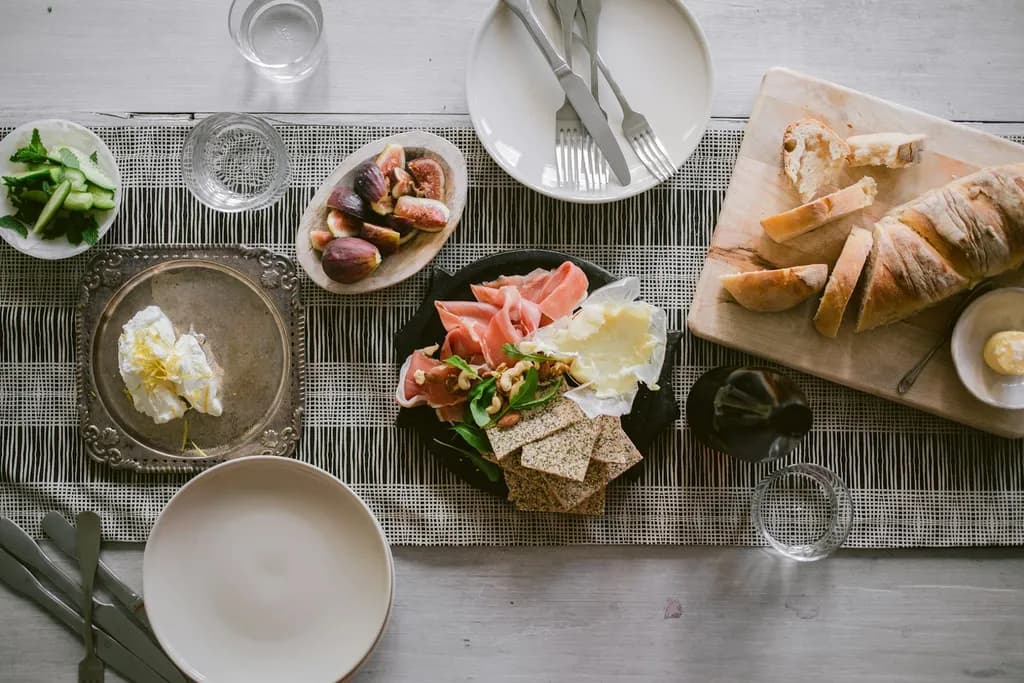
Inflammation has two faces. The short term kind is how your body heals a cut or fights off a cold, and you want it. The other kind is a low grade signal that stays switched on in the background for months or years, and that version is linked to many of the conditions we associate with aging. What you eat is one of the levers that turns it up or down.
An anti inflammatory diet is a flexible pattern rather than a strict plan, and it looks a lot like the foods that already support a slower pace of aging.
Foods that tend to raise inflammation
A few patterns show up repeatedly in research on diet and inflammation.
- Sugary drinks and added sugar, which drive both inflammation and glycation.
- Refined carbohydrates such as white bread and pastries.
- Processed and charred meats, higher in compounds linked to inflammation.
- Excess alcohol, which adds to oxidative stress.
- Foods fried in industrial oils, common in fast and packaged food.
The goal with these is frequency. The less often they dominate your plate, the calmer the background signal tends to be.
Foods that tend to calm it
The other side of the list looks colorful and familiar.
- Fatty fish like salmon and sardines, for omega 3 fats that help regulate inflammation.
- Leafy greens and colorful vegetables, for fiber and antioxidants.
- Berries and other fruit, rich in polyphenols.
- Extra virgin olive oil, a core anti inflammatory fat.
- Nuts, seeds, and whole grains, for healthy fats and fiber.
- Herbs and spices such as turmeric, ginger, and garlic.
Why it matters beyond aging
Keeping chronic inflammation in check supports your heart, your brain, and your joints over time. It also connects to the other scores Poma tracks, since the same pattern that calms inflammation tends to support better skin and steadier energy.
A simple test for a meal: does it lean toward colorful plants, fish, olive oil, and whole grains, or toward refined starch, sugar, and processed meat? The first direction is the anti inflammatory one.
How Poma fits in
You do not need to memorize lists to eat this way. Poma scores each meal you photograph for its effect on aging, skin, sleep, and energy, which reflects how the foods on your plate push inflammation in one direction or the other.
Poma scores meals like these for you.
Snap a photo and watch how each meal moves your pace of aging.
Download appThe takeaway
An anti inflammatory diet is mostly the Mediterranean pattern under a different name. Lean toward fish, olive oil, vegetables, fruit, nuts, and whole grains, keep sugar and processed meat occasional, and you give your body fewer reasons to keep that low grade signal running.
Sources
- Harvard Health Publishing, Foods that fight inflammation
- Harvard T.H. Chan School of Public Health, The Nutrition Source, Antioxidants
- World Health Organization, Healthy diet
Frequently asked questions
Related articles
Omega 3s and fatty fish: good for brain, heart, and aging
Omega 3 fats are among the best studied nutrients for long term health. Here is what they do and the easiest ways to get enough.
Olive oil: how a healthy fat earns its reputation
Extra virgin olive oil is the signature fat of the Mediterranean diet. Here is what makes it special and how to use it well.