
What to eat for deeper, better sleep
Poma AI · June 27, 2026 · 3 min read
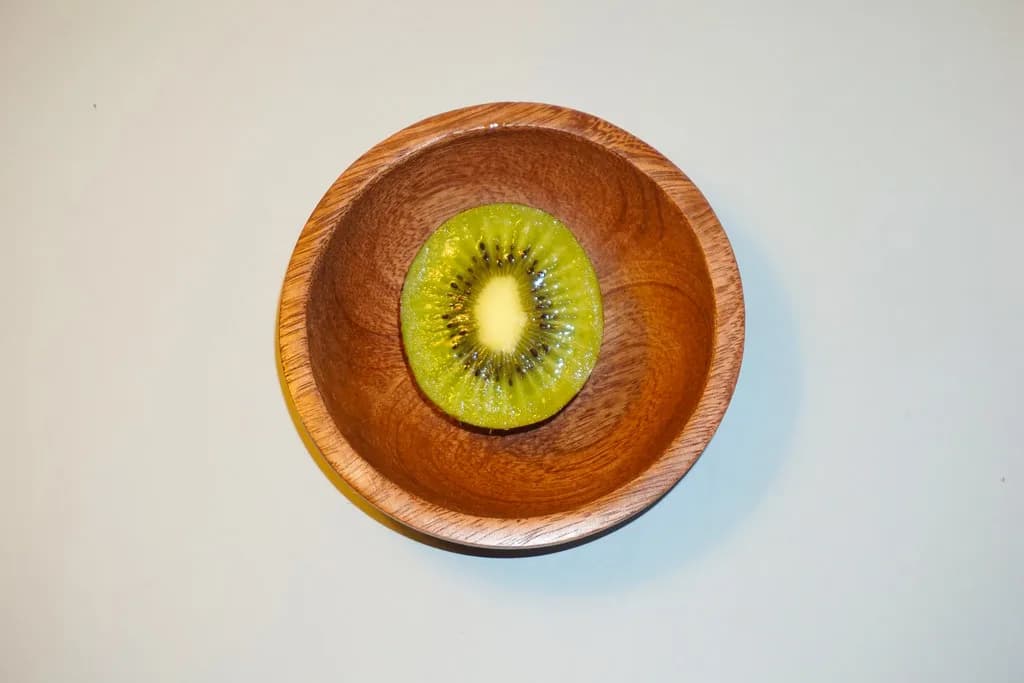
A good night of sleep starts earlier in the day than most people think. What you eat, how much caffeine you drink, and when you have your last big meal all shape how easily you fall asleep and how deeply you rest. Food works alongside good sleep habits, and it is a lever you can pull every day.
How food affects your sleep
A few mechanisms do most of the work.
Blood sugar swings
Meals that spike your blood sugar and then drop it can disrupt sleep later that night. Large, sugary, or heavily refined meals near bedtime are the usual cause. Balanced meals with protein, fiber, and healthy fat keep blood sugar steadier, which supports more settled sleep.
Caffeine and alcohol
Caffeine can stay active for many hours, so an afternoon coffee can still reach into your night. Alcohol may help you fall asleep faster, then it fragments sleep in the second half of the night and lowers its quality.
Key nutrients
Some nutrients support the body's sleep chemistry. Tryptophan, an amino acid in foods like turkey, eggs, and dairy, is a building block for melatonin and serotonin. Magnesium, found in nuts, seeds, and leafy greens, plays a role in relaxation. Your overall pattern of eating matters more here than any single food.
Foods that tend to help
- Complex carbohydrates such as oats and whole grains, paired with protein, for steady overnight blood sugar.
- Tryptophan rich foods like turkey, eggs, dairy, and tofu.
- Magnesium rich foods like almonds, pumpkin seeds, and spinach.
- Tart cherries and kiwi, which some studies link to slightly better sleep.
What to limit in the evening
- Large or heavy meals within two to three hours of sleep.
- Caffeine in the afternoon and evening.
- Alcohol as a sleep aid.
- Sugary snacks late at night.
A simple evening pattern: finish bigger meals a few hours before bed, keep any late snack small and balanced, and move your last coffee to the morning.
Timing matters
When you eat can matter as much as what you eat. Eating most of your food earlier in the day, and keeping the last meal lighter and earlier, gives your body time to digest and supports steadier overnight blood sugar.
How Poma fits in
Poma scores each meal for its effect on sleep, alongside aging, skin, and energy. A photo of dinner shows you whether tonight's meal supports rest or works against it, so you can adjust before bed.
Poma scores meals like these for you.
Snap a photo and watch how each meal moves your pace of aging.
Download appThe takeaway
Sleep is built across the whole day. Keep meals balanced, move caffeine earlier, go easy on alcohol and late sugar, and leave a few hours between dinner and bed. For more on how food shapes aging overall, see which foods make you age faster.
Sources
- Sleep Foundation, Nutrition and Sleep
- Harvard T.H. Chan School of Public Health, The Nutrition Source, Carbohydrates and Blood Sugar
- World Health Organization, Healthy diet
Frequently asked questions
Related articles
Meal timing and your body clock
When you eat can matter alongside what you eat. Here is how meal timing interacts with your body clock, energy, and sleep.
The Mediterranean diet: why it keeps winning for longevity
The Mediterranean pattern tops almost every ranking of healthy eating. Here is what it looks like, why it supports longevity, and how to start.