
Which foods make you age faster, and which slow it down
Poma AI · June 27, 2026 · 4 min read
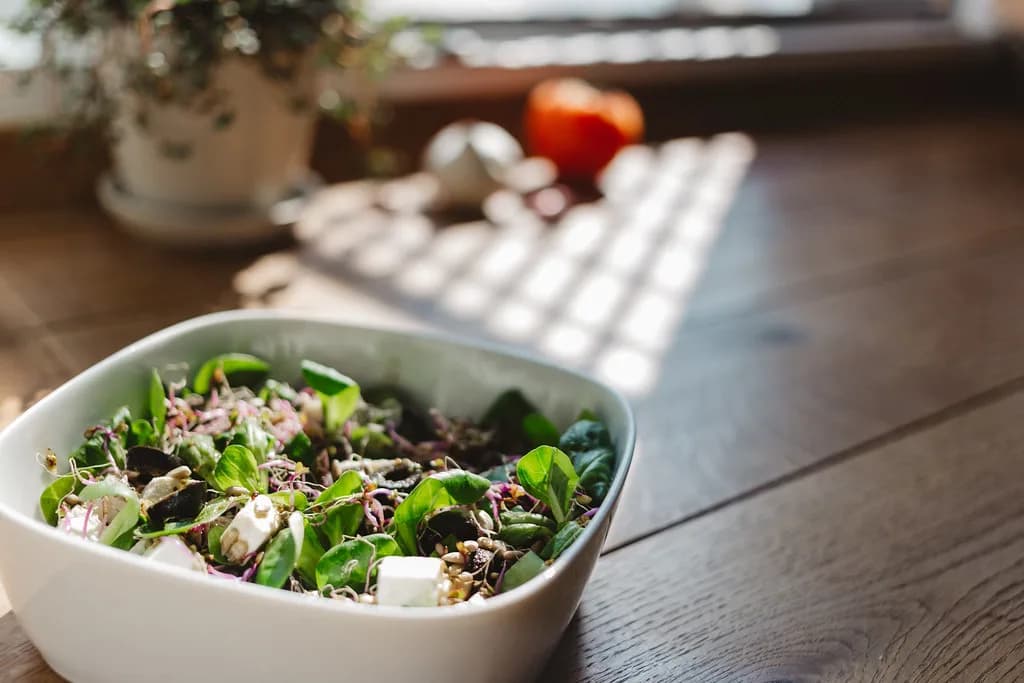
Every meal nudges your body in one direction or another. Some foods add to the wear and tear that ages your cells. Others give your body the raw materials to repair and protect itself. Over months and years those small nudges add up, and they shape how fast you age on the inside. That is the idea behind Poma's pace of aging.
This guide covers the main ways food affects biological aging, the foods most likely to speed it up, and the foods that help slow it down. Treat it as a practical starting point, and talk to a qualified professional about your own health.
How food affects the speed of aging
Three processes do most of the work. They overlap, and a single meal can touch all three.
Chronic inflammation
Low grade inflammation that stays switched on is linked to many age related conditions. Diets high in refined carbohydrates, processed meat, and excess alcohol tend to keep that inflammatory signal elevated. Diets rich in vegetables, fish, and olive oil tend to calm it.
Advanced glycation end products
When sugars bind to proteins and fats they form compounds called advanced glycation end products, often shortened to AGEs. These stiffen tissue and are associated with skin aging and reduced elasticity. Sugary foods raise AGE levels, and so does cooking with high, dry heat. Gentle cooking with moisture produces fewer of them.
Oxidative stress
Your cells constantly produce reactive molecules as a byproduct of turning food into energy. Antioxidants from food help keep those molecules in balance. When the balance tips, damage builds up in DNA, proteins, and cell membranes. Colorful plants supply many of the antioxidants that help hold the line.
Foods that tend to speed aging
A few patterns show up again and again in research on diet and aging.
- Sugary drinks and added sugar. Frequent sugar spikes drive both glycation and inflammation.
- Ultra processed foods. Packaged snacks and ready meals often combine refined starch, added sugar, salt, and industrial fats in a way that promotes inflammation.
- Processed and charred meats. Bacon, sausages, and meat cooked at very high heat are higher in compounds linked to inflammation and AGEs.
- Excess alcohol. Regular heavy drinking raises oxidative stress and disrupts the sleep your body uses to repair.
- Refined carbohydrates. White bread, pastries, and similar foods raise blood sugar quickly and offer little fiber.
These foods do not need to disappear from your life. The goal is frequency. The less often they dominate your plate, the better.
Foods that tend to slow aging
The pattern that performs well for healthy aging looks a lot like a Mediterranean style of eating.
- Leafy greens and colorful vegetables. Fiber, vitamins, and a wide range of antioxidants.
- Berries. Rich in polyphenols that support your defenses against oxidative stress.
- Fatty fish. Salmon, sardines, and mackerel supply omega 3 fats that help regulate inflammation.
- Extra virgin olive oil. A core source of anti inflammatory fats and polyphenols.
- Nuts and seeds. Protein, healthy fats, and minerals such as zinc and magnesium.
- Legumes and whole grains. Slow releasing carbohydrates with fiber that feeds a healthy gut.
A simple rule of thumb: aim for plants of several colors, a source of protein, and a healthy fat at most meals. Variety matters as much as any single superfood.
How Poma turns this into a score
Reading lists like this is the easy part. Applying them to real meals, three times a day, is the hard part. That is where Poma helps. Snap a photo of your plate and Poma identifies the ingredients, weighs them against current nutrition science, and shows how the meal affects your aging, sleep, skin, and energy, along with calories and macros.
Poma scores meals like these for you.
Snap a photo and watch how each meal moves your pace of aging.
Download appThe takeaway
No single meal makes or breaks how you age. The direction of your everyday choices is what compounds. Lean toward whole plants, fish, and healthy fats, keep sugar and ultra processed foods occasional, and cook with moisture more often than high dry heat. Small, repeatable choices are what move your pace of aging over time.
Sources
- World Health Organization, Healthy diet
- Harvard T.H. Chan School of Public Health, The Nutrition Source, Diet Review: Mediterranean Diet
- Harvard Health Publishing, Foods that fight inflammation
Frequently asked questions
Related articles
The best foods for healthy, youthful skin
What to eat to support collagen, defend against oxidative stress, and keep skin resilient as you age.
Advanced glycation end products: the cooking methods that age you
AGEs form when sugars bind to proteins, and high dry heat creates more of them. Here is what that means for aging and how to cook to make fewer.