
Meal timing and your body clock
Poma AI · June 4, 2026 · 2 min read
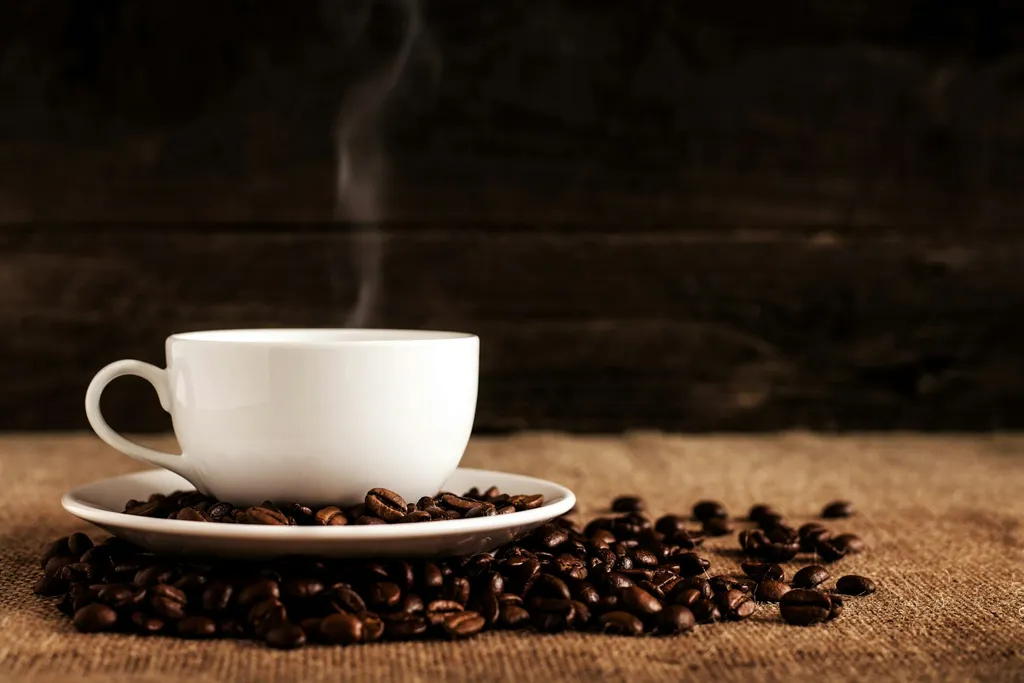
Most nutrition advice focuses on what is on your plate, and when you eat it is a smaller lever worth knowing about. Your body runs on a daily clock, and food lands differently depending on where you are in that cycle. Used well, meal timing can support steadier energy and better sleep, on top of a good diet.
Your body runs on a clock
Nearly every system in your body follows a roughly 24 hour rhythm, including how it handles food. In general, the body processes a meal more efficiently earlier in the day, when insulin sensitivity tends to be higher, and less efficiently late at night. That is part of why a heavy late dinner can sit poorly and disrupt the night.
What this means in practice
A few simple habits line your eating up with your clock.
Front load your day
Eating more of your food earlier, and keeping dinner lighter, tends to support steadier energy and smoother digestion.
Leave a gap before bed
Finishing larger meals a few hours before sleep gives your body time to digest, which supports the rest covered in what to eat for deeper sleep.
Keep meals regular
Consistent meal times help steady your blood sugar and your appetite, rather than swinging between famine and feast.
Mind your caffeine
Caffeine reaches well into the evening, so keep coffee and tea to earlier in the day.
A word on fasting
Time restricted eating, a form of intermittent fasting, has become popular, and some people find it helpful. Much of the benefit may come simply from cutting late night eating and trimming overall calories. It suits some people and not others, and it is not a good fit for everyone, including those with certain conditions. The quality of the food still matters more than the size of the window.
A simple pattern works for most people: eat more earlier, keep dinner lighter and earlier, leave a few hours before bed, and move your last coffee to the morning. No strict schedule required.
How Poma fits in
Poma scores each meal you photograph for its effect on energy, sleep, aging, and skin. Logging meals also makes your timing visible, so you can see how a lighter, earlier dinner or an earlier last coffee plays out in how you feel and rest.
Poma scores meals like these for you.
Snap a photo and watch how each meal moves your pace of aging.
Download appThe takeaway
When you eat is a useful complement to what you eat. Lean your meals toward earlier in the day, keep dinner lighter and well before bed, hold regular meal times, and move caffeine to the morning. These small timing shifts support steadier energy and better sleep without any rigid plan.
Sources
- Sleep Foundation, Nutrition and Sleep
- Harvard T.H. Chan School of Public Health, The Nutrition Source, Carbohydrates and Blood Sugar
- World Health Organization, Healthy diet
Frequently asked questions
Related articles
How to eat for steady energy and avoid the afternoon crash
Why blood sugar swings cause energy crashes, and how to build meals that keep you steady from morning to evening.
What to eat for deeper, better sleep
How your meals, your caffeine timing, and a few key nutrients shape how easily you fall asleep and how well you rest.