
Polyphenols: the plant compounds linked to slower aging
Poma AI · June 24, 2026 · 2 min read

If you have read about which foods slow aging, you have already met polyphenols without the name. They are a large family of compounds that plants make for their own protection, and many of them turn out to be useful to us too. They are one of the main reasons colorful, plant rich diets keep showing up in research on healthy aging.
What polyphenols do
Polyphenols work in a few overlapping ways.
- They act as antioxidants. They help your body keep reactive molecules in balance, which limits the oxidative stress that damages cells over time.
- They help calm inflammation. Several polyphenols are tied to lower markers of the low grade inflammation linked to aging.
- They feed your gut. Many polyphenols are not fully absorbed and instead reach the large intestine, where they help support a healthy gut microbiome.
Where to find them
The richest sources are some of the most enjoyable foods on the plate.
- Berries, especially blueberries, blackberries, and raspberries.
- Green and black tea, and coffee.
- Extra virgin olive oil.
- Dark chocolate and cocoa, in modest amounts.
- Herbs and spices such as cloves, oregano, and cinnamon, which are concentrated sources.
- Colorful vegetables and dark grapes.
Variety beats any single food
No one polyphenol does all the work, and they are spread across hundreds of foods. A plate with several colors, plus a cup of tea or coffee and a drizzle of olive oil, covers far more ground than a big serving of any one item.
Think in colors and bitterness. Deep reds, purples, and blues, along with the slight bitterness of tea, coffee, olive oil, and dark chocolate, are good signs that polyphenols are present.
How Poma fits in
Polyphenols are one piece of why a meal supports slower aging. Poma reads your whole plate, weighs the colorful, plant rich foods that carry these compounds against the refined and sugary ones that do not, and scores the meal for aging, skin, sleep, and energy.
Poma scores meals like these for you.
Snap a photo and watch how each meal moves your pace of aging.
Download appThe takeaway
Polyphenols are a big part of what makes plants worth eating for the long run. Reach for berries, tea, coffee, olive oil, herbs, and a rainbow of vegetables, keep the variety wide, and you give your body a steady supply of the compounds tied to slower aging.
Sources
- Harvard T.H. Chan School of Public Health, The Nutrition Source, Antioxidants
- Harvard T.H. Chan School of Public Health, The Nutrition Source, Vegetables and Fruits
- World Health Organization, Healthy diet
Frequently asked questions
Related articles
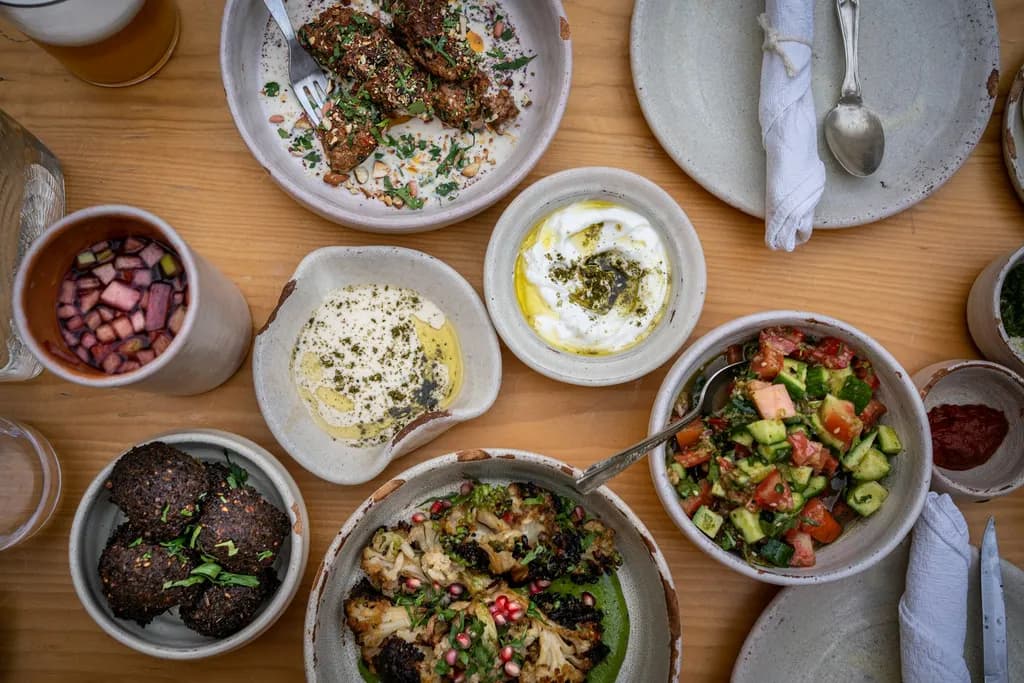
The Mediterranean diet: why it keeps winning for longevity
The Mediterranean pattern tops almost every ranking of healthy eating. Here is what it looks like, why it supports longevity, and how to start.
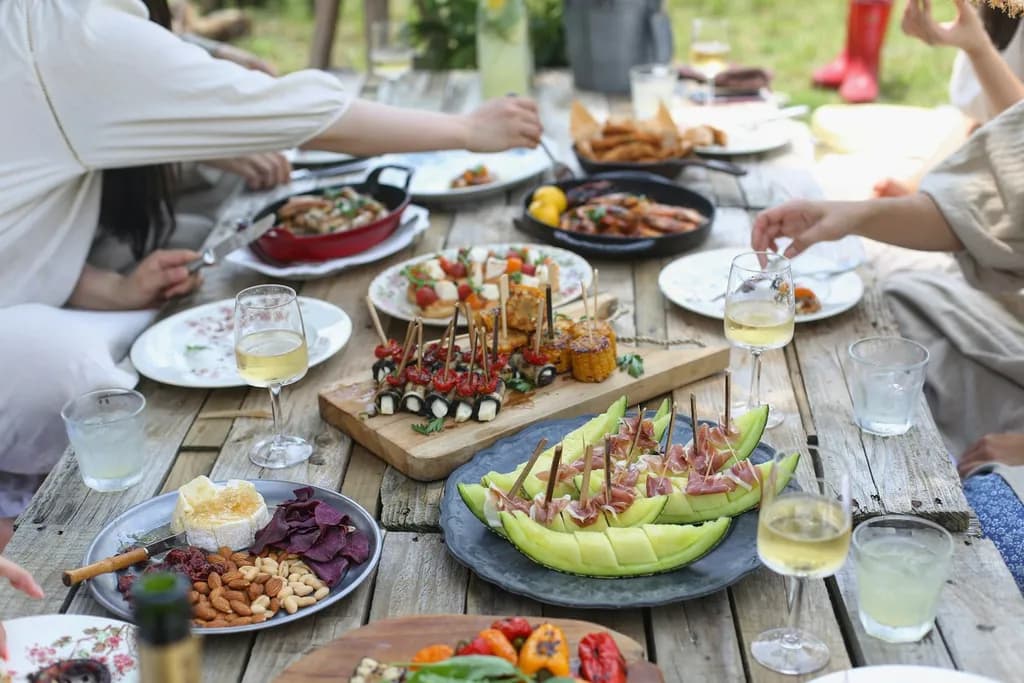
What the world's Blue Zones actually eat
Blue Zones are regions where people often reach very old age in good health. Their diets share a few simple, plant heavy threads worth borrowing.