
Advanced glycation end products: the cooking methods that age you
Poma AI · June 22, 2026 · 2 min read
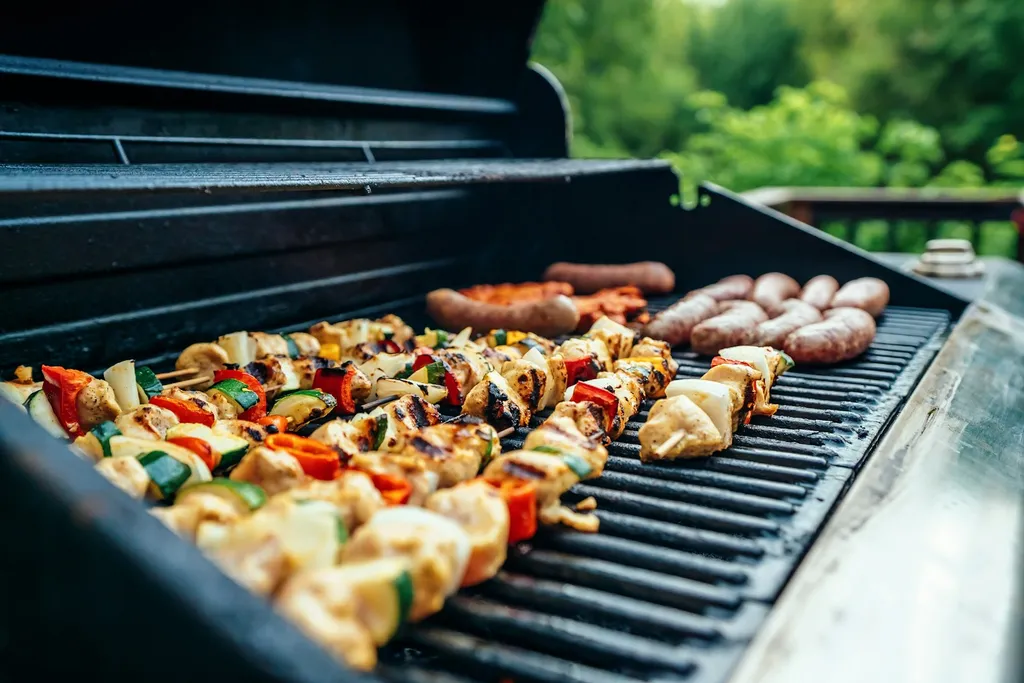
If you have read about which foods make you age faster, you have met advanced glycation end products, usually shortened to AGEs. They form when sugars bind to proteins or fats, and they are one of the processes that quietly push biological aging along. What makes them interesting is that you can influence them not only by what you eat, but by how you cook it.
Where AGEs come from
There are two main sources.
- The ones your body makes. When blood sugar runs high, more sugars are floating around to bind to proteins, so steadier blood sugar means fewer AGEs formed inside you.
- The ones already in food. Cooking forms AGEs in the food itself, and high dry heat forms the most. The browning on a seared steak or a roasted vegetable is the visible side of this chemistry.
The cooking methods that matter
The same ingredient can carry very different AGE levels depending on how you cook it.
Higher AGE methods
Frying, grilling, broiling, and roasting use high dry heat, which drives browning and charring and forms more AGEs. Animal foods high in protein and fat produce the most this way.
Lower AGE methods
Steaming, poaching, boiling, and stewing cook with moisture at lower temperatures, which forms far fewer AGEs. A poached or stewed dish is gentler than a charred one.
A simple trick
Marinating meat or fish in acidic ingredients like lemon juice or vinegar before cooking can cut AGE formation, even on the grill.
You do not have to give up the grill. Aim to balance browned, charred cooking with moist methods through the week, keep blood sugar steady, and you lower your overall AGE load without overthinking any single meal.
Why it is worth a little attention
AGEs stiffen collagen and other proteins, which links them to skin aging and reduced elasticity, as well as to inflammation. None of this means a grilled dinner is a problem. The point is the pattern over months, where moist cooking and steady blood sugar add up in your favor.
How Poma fits in
Poma scores each meal you photograph for its effect on aging and skin, which reflects both the ingredients and the kind of eating that keeps glycation in check. Over time you can see whether your everyday pattern is working with you or against you.
Poma scores meals like these for you.
Snap a photo and watch how each meal moves your pace of aging.
Download appThe takeaway
Advanced glycation end products form faster with sugar and high dry heat. You make fewer of them by keeping blood sugar steady, and you eat fewer of them by leaning on steaming, poaching, and stewing as often as frying and grilling. Small changes in method, repeated, are what add up.
Sources
- Harvard Health Publishing, Foods that fight inflammation
- Harvard T.H. Chan School of Public Health, The Nutrition Source, Antioxidants
- World Health Organization, Healthy diet
Frequently asked questions
Related articles
The best foods for healthy, youthful skin
What to eat to support collagen, defend against oxidative stress, and keep skin resilient as you age.
Which foods make you age faster, and which slow it down
How everyday foods affect biological aging through inflammation, glycation, and oxidative stress, plus what to put on your plate for slower aging.