
Collagen: can food really support your skin's scaffolding?
Poma AI · June 19, 2026 · 2 min read
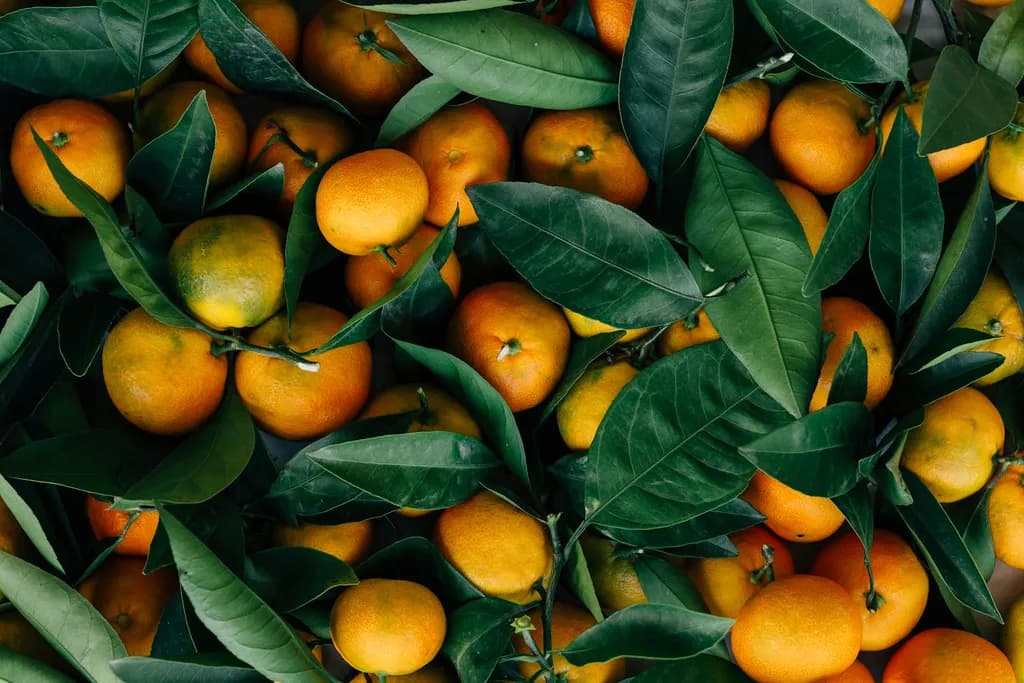
Collagen is the protein that gives skin its firmness and bounce. It is the scaffolding under the surface, and it naturally breaks down with age, sun exposure, smoking, and a high sugar diet. That has made collagen powders and drinks a booming business. The honest picture is that food matters for your skin's collagen, in a slightly different way than the marketing suggests.
What collagen is and what wears it down
Collagen is the most abundant protein in your skin, and your body is always making and replacing it. A few things speed up the breakdown.
- Age, which slowly lowers how much you produce.
- Ultraviolet light from the sun, the single largest controllable factor.
- Smoking, which damages skin structure.
- Glycation from sugar, where sugars stiffen collagen fibers, covered more in which foods make you age faster.
What food can actually do
Eating collagen does not send it straight to your skin. Your gut breaks it into amino acids first. What food does is supply the raw materials and the protection your skin uses to manage its own collagen.
Protein for building blocks
Collagen is made of amino acids, so enough total protein gives your skin what it needs to build and repair.
Vitamin C to assemble it
Your body cannot make collagen without vitamin C. Citrus, peppers, berries, and broccoli are easy sources, which is part of why these foods show up in any skin focused diet.
Antioxidants to protect it
Colorful plants supply antioxidants that help defend existing collagen from oxidative stress, and omega 3 fats support the surrounding skin.
The most reliable food moves for collagen are simple: enough protein, plenty of vitamin C from colorful produce, and less added sugar. Sunscreen does more for your collagen than any powder.
Where supplements fit
Collagen supplements are not a scam, and they are not a miracle either. Early studies hint at small benefits for skin hydration and elasticity, with stronger independent evidence still to come. If you want to try one, treat it as an extra on top of the basics, not a replacement for them.
How Poma fits in
Poma scores each meal you photograph for its effect on skin, alongside aging, sleep, and energy. That reflects whether a plate brings the protein, vitamin C, and antioxidants your skin uses, and whether it leans on the sugar that works against your collagen.
Poma scores meals like these for you.
Snap a photo and watch how each meal moves your pace of aging.
Download appThe takeaway
Healthy skin collagen is built from the inside with everyday food. Eat enough protein, get plenty of vitamin C from colorful produce, protect your skin from the sun, and keep added sugar occasional. Those basics do more than any single product on the shelf.
Sources
- Harvard T.H. Chan School of Public Health, The Nutrition Source, Vitamin C
- Harvard T.H. Chan School of Public Health, The Nutrition Source, Antioxidants
- Harvard Health Publishing, Foods that fight inflammation
Frequently asked questions
Related articles
The best foods for healthy, youthful skin
What to eat to support collagen, defend against oxidative stress, and keep skin resilient as you age.
Which foods make you age faster, and which slow it down
How everyday foods affect biological aging through inflammation, glycation, and oxidative stress, plus what to put on your plate for slower aging.