
Fermented foods and your gut: yogurt, kefir, and kimchi
Poma · · 2 min read
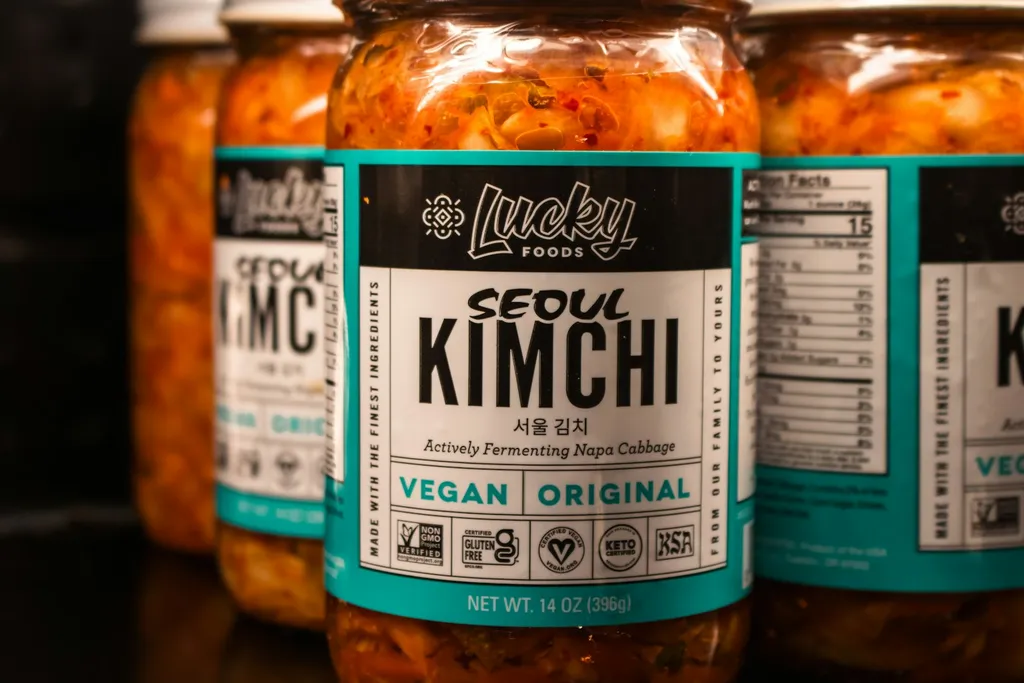
The takeaway: Fermented foods are an easy, time tested way to bring live microbes and more to your plate. The research is still catching up to the tradition, and a small daily serving of yogurt, kefir, kimchi, or kraut is a low risk habit. Choose live culture products, pair them with fiber, and let your gut adjust at its own pace.
Fermented foods have been part of human diets for thousands of years, long before anyone could name the microbes doing the work. Today they are getting fresh attention for what they may do for your gut. The evidence is still developing, and the basics are simple enough to act on now.
What fermentation does
Fermentation is the process where bacteria or yeast break down sugars in food. Along the way it can do a few useful things.
- It adds live microbes. Many fermented foods carry living cultures that may support the community of bacteria in your gut.
- It can ease digestion. Fermentation partly breaks down some foods, which can make them easier on the stomach.
- It can boost certain nutrients. Some fermented foods make particular vitamins and compounds more available.
Foods worth knowing
A few fermented foods are easy to find and enjoy.
- Yogurt and kefir, cultured dairy with live bacteria. Kefir is thinner and usually carries more strains.
- Kimchi and sauerkraut, fermented vegetables, best bought refrigerated and unpasteurized.
- Miso and tempeh, fermented soy, good plant sources of protein and flavor.
- Kombucha, fermented tea, worth checking for added sugar.
How to add them
The goal is a small, regular habit rather than a big push.
- Start with a few spoonfuls and build up as your gut adjusts.
- Choose refrigerated products labeled with live or active cultures.
- Watch added sugar in flavored yogurt and kombucha.
- Pair them with fiber rich foods, since fiber feeds the microbes you are adding.
Fermented foods and fiber work as a team. The live cultures add microbes, and fiber feeds them. A bowl of yogurt with berries and seeds covers both in one go.
How Poma fits in
Poma scores each meal you photograph for its effect on aging, energy, skin, and sleep, with a read on the overall quality of the plate. Building meals around gut friendly foods like yogurt, kefir, and vegetables is the kind of pattern that shows up over time.
Poma scores meals like these for you.
Snap a photo and watch how each meal moves your pace of aging.
Download appSources
- Harvard T.H. Chan School of Public Health, The Nutrition Source, The Microbiome
- Harvard T.H. Chan School of Public Health, The Nutrition Source, Fiber
- World Health Organization, Healthy diet
Frequently asked questions
Related articles
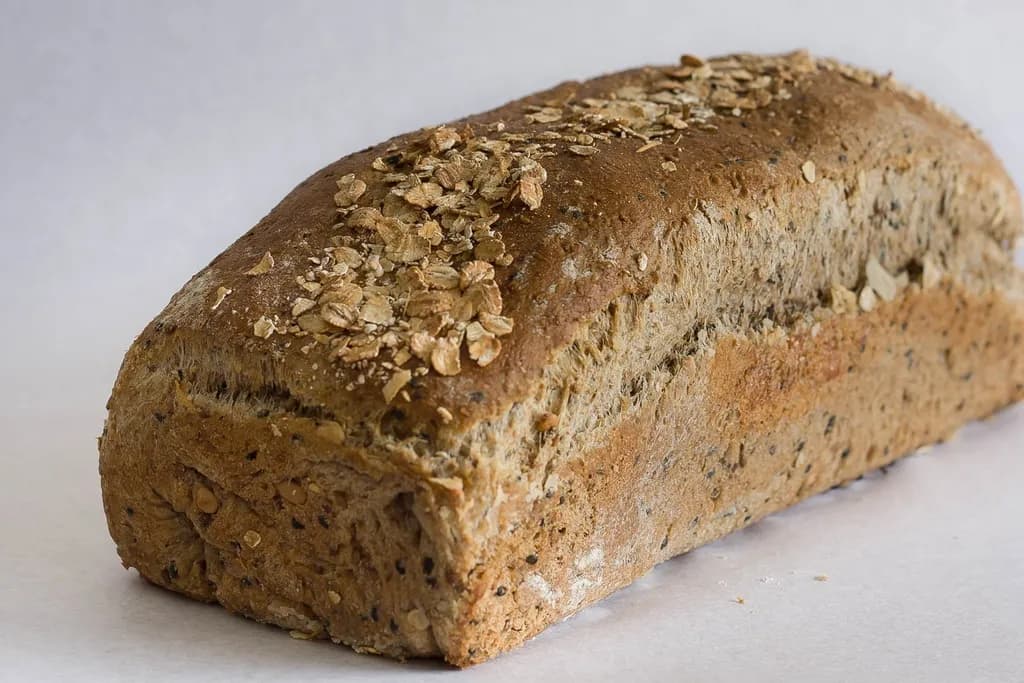
Fiber: the most underrated longevity nutrient
Most people fall short on fiber, and it does far more than aid digestion. Here is how it supports your gut, blood sugar, heart, and healthy aging.
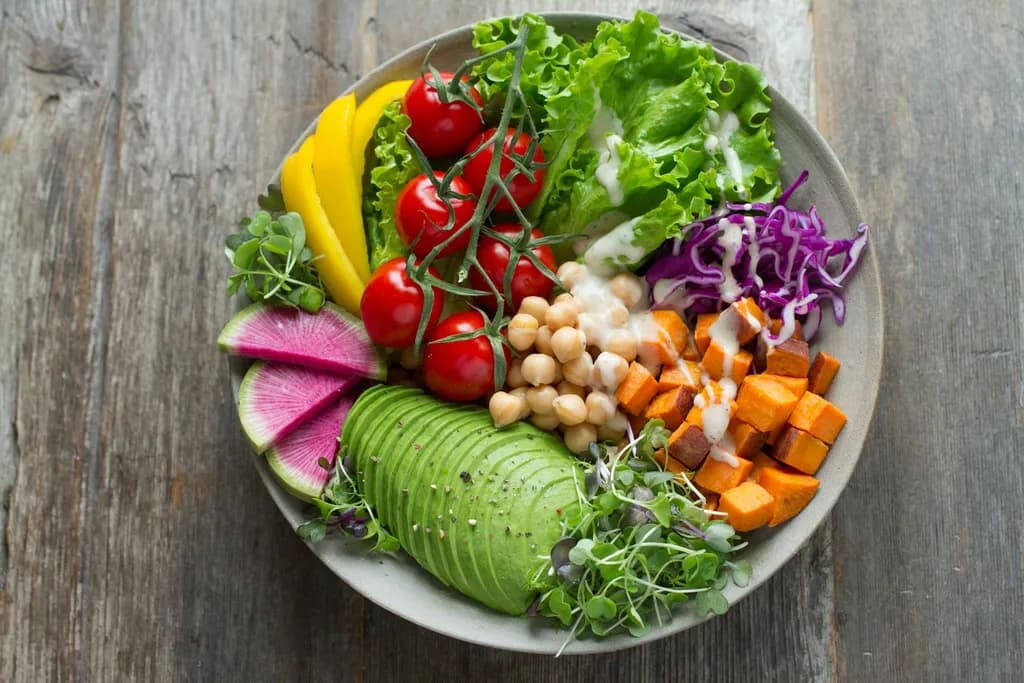
Gut health 101: how your microbiome shapes whole body health
Your gut is home to trillions of microbes that influence digestion, immunity, and more. Here is what they do and how to feed them well.