
Hydration: how much water do you really need?
Poma AI · June 5, 2026 · 2 min read
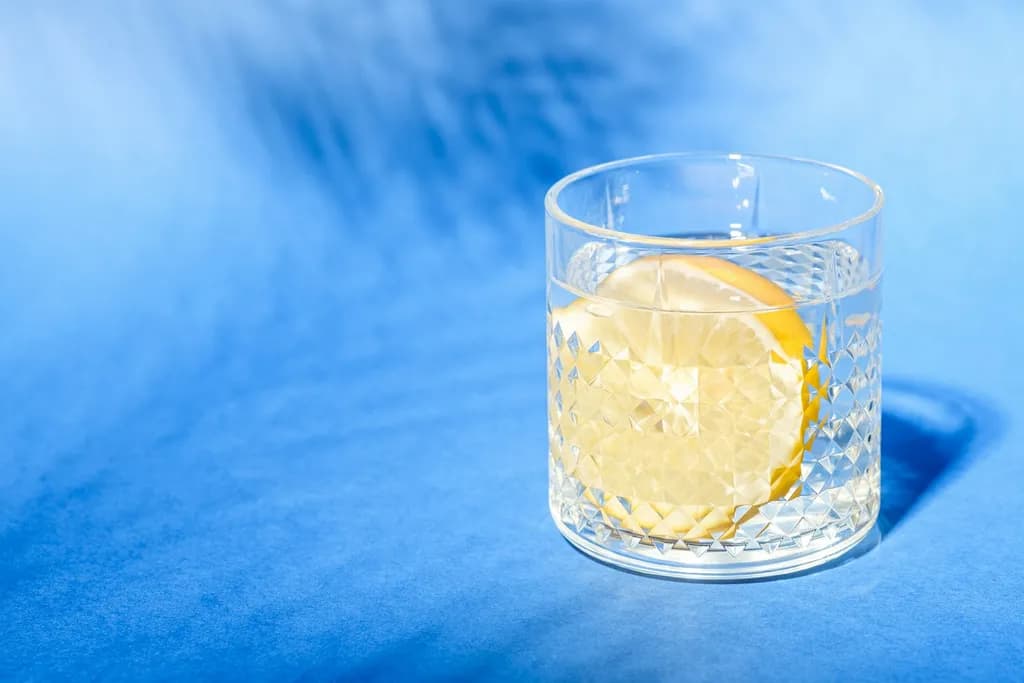
Few pieces of health advice are repeated as confidently as drink eight glasses of water a day. It is a fine rough target, and it was never a hard scientific rule. Your real need for water depends on you, and getting hydration right is simpler than the slogan suggests.
Why the eight glasses rule falls short
The number leaves out almost everything that actually shapes your needs.
- Your body and activity. A larger, more active person needs more than a smaller, sedentary one.
- Your climate. Heat and humidity raise how much you lose through sweat.
- Your food. Fruit, vegetables, soups, and other foods can supply a meaningful share of your daily water.
Because of all this, a single fixed number cannot fit everyone.
What hydration does for you
Water is involved in nearly everything your body does, and falling short shows up quickly.
- Energy. Mild dehydration often feels like tiredness, and a glass of water can do more than another coffee.
- Focus. Even small fluid shortfalls can dull concentration.
- Skin. Staying hydrated supports the skin barrier covered in the best foods for healthy skin.
- Digestion. Fiber needs water to do its job, so the two work together.
A sensible approach
You can skip the rigid counting.
- Drink to thirst, and keep water within easy reach.
- Drink more when you are active, when it is hot, and at higher altitude.
- Use urine color as a quick check, aiming for pale yellow.
- Let water be your default drink, and watch out for sugary drinks standing in for it.
Thirst and urine color are your two best gauges, and they beat any fixed number. When in doubt, reach for water before your next snack, since the body sometimes reads thirst as hunger.
How Poma fits in
Poma scores the meals you photograph for their effect on energy, skin, aging, and sleep, and water rich foods like fruit, vegetables, and soups support those scores. Hydration and good food work together, and both show up in how you feel.
Poma scores meals like these for you.
Snap a photo and watch how each meal moves your pace of aging.
Download appThe takeaway
You need water, and you do not need to obsess over a magic number. Drink to thirst, top up more when you are active or hot, lean on water as your main drink, and let water rich foods help. Pale yellow urine and an absence of thirst mean you are doing fine.
Sources
- Harvard T.H. Chan School of Public Health, The Nutrition Source, Water
- Harvard T.H. Chan School of Public Health, The Nutrition Source, Healthy Drinks
- World Health Organization, Healthy diet
Frequently asked questions
Related articles
The best foods for healthy, youthful skin
What to eat to support collagen, defend against oxidative stress, and keep skin resilient as you age.
How to eat for steady energy and avoid the afternoon crash
Why blood sugar swings cause energy crashes, and how to build meals that keep you steady from morning to evening.